
Category: Cat Nutrition
-
How Pet Food Is Formulated: What Companion Animal Nutritionists Actually Do Behind the Scenes
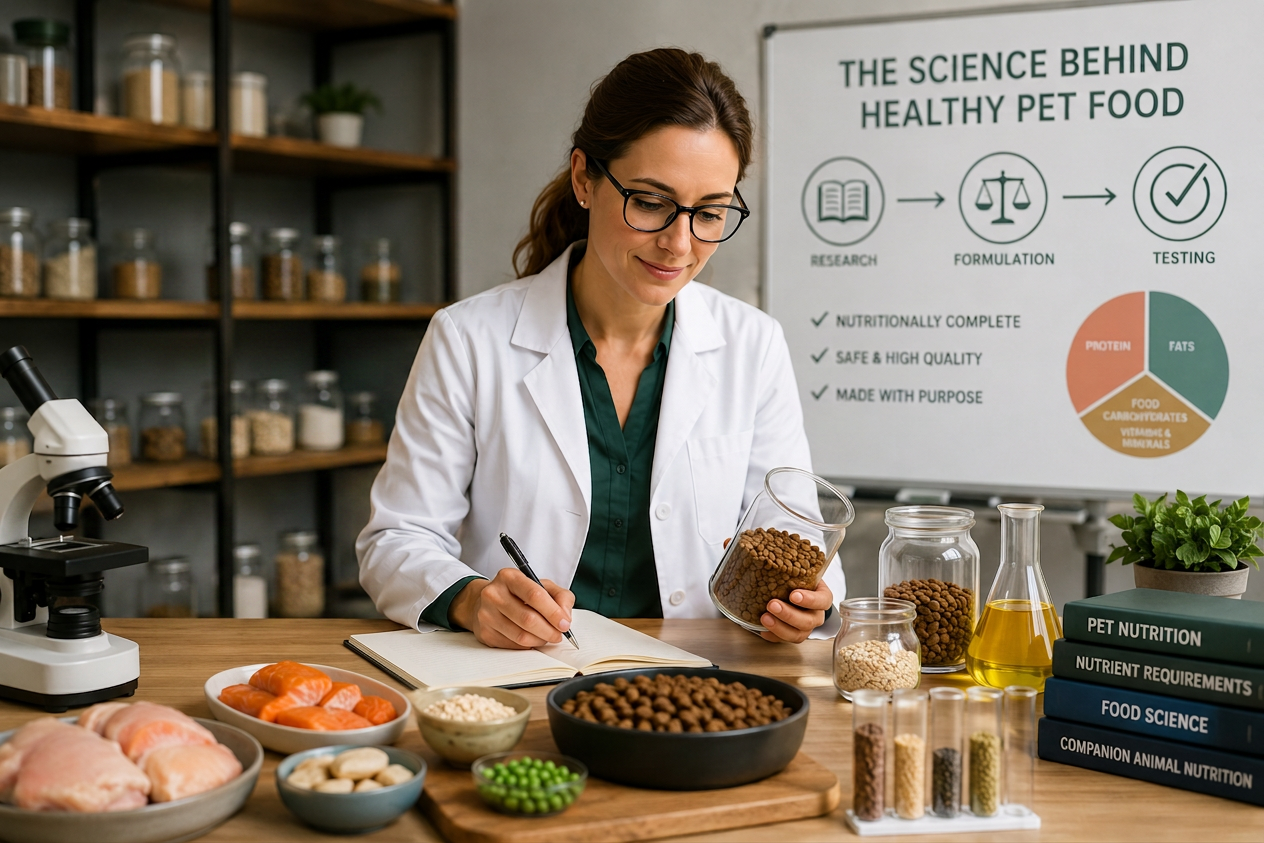
Companion Animal Nutrition · Behind the Scenes How Pet Food Is Formulated: What Companion Animal Nutritionists Actually Do Every bag of kibble and can of wet food starts months before it reaches a shelf. Here’s an honest, inside look at how dog and cat food is really developed. Visit AGeiger Pet Nutrition Every bag of…
-
10 Best Locally Owned Pet Stores in Calgary (2026 Guide)
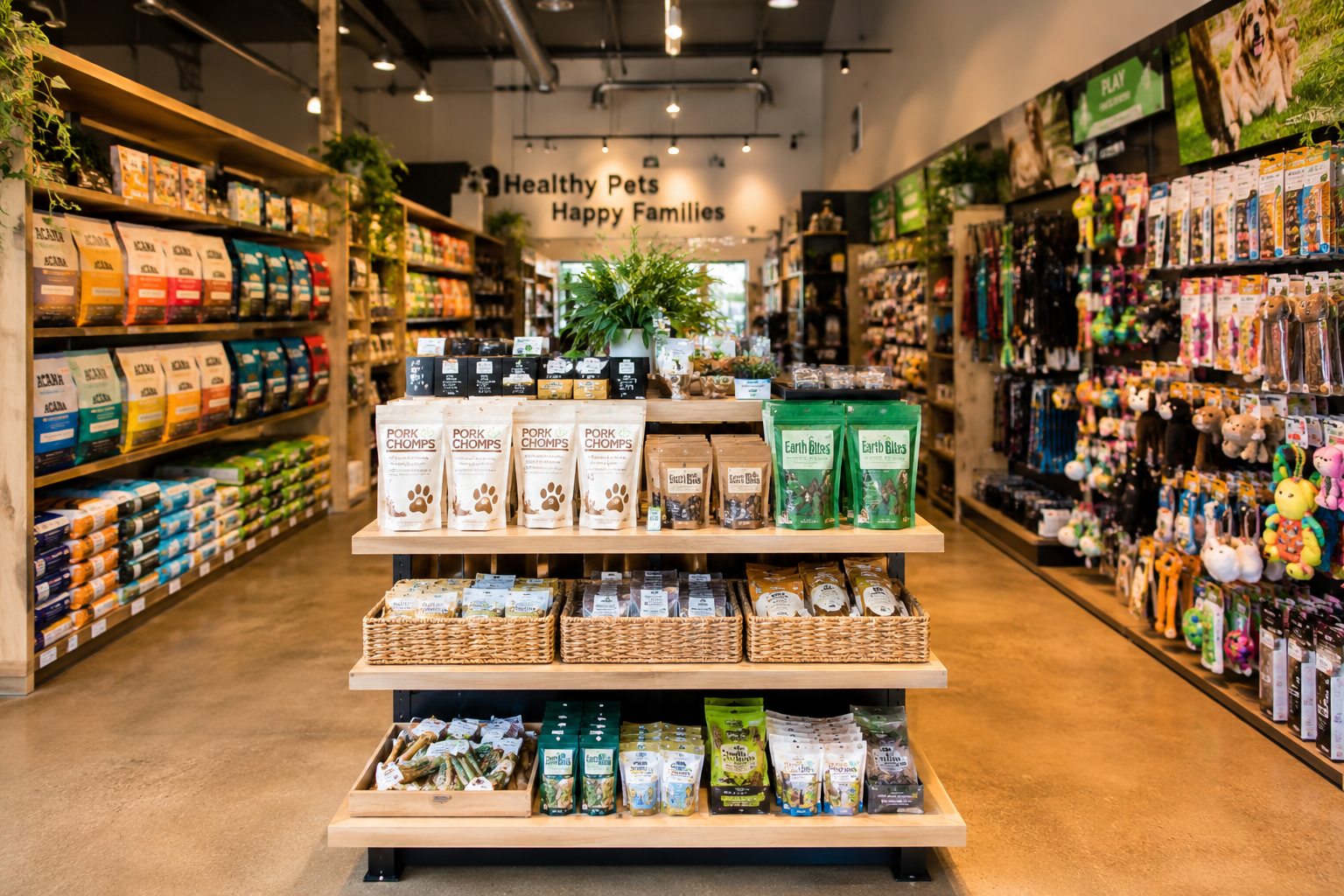
Calgary Pet Guide — 2026 10+ Best Locally Owned Pet Stores in Calgary A pet nutritionist’s guide to Calgary’s best independent pet retailers. Find premium dog food, cat food, raw diets, natural treats, and supplements from stores that actually know their products. Dog & Cat Nutrition Pet Lifestyle AG Andrea Geiger, MSc., CCAN Certified Companion…
-
What Does a Pet Nutritionist Do? Why Pet Owners Should Consider Consulting One

Pet Nutrition Guide What Does a Pet Nutritionist Do? Why Pet Owners Should Consider Consulting One Companion Animal Nutrition AG Andrea Geiger, MSc. · Certified Companion Animal Nutritionist ~12 min read · Nutrition Education You’re standing in the pet food aisle, staring at forty different bags of kibble. Each one promises to be “complete,” “balanced,”…
-
Pet Nutritionist Reviews: Open Farm Cat Food

Open Farm cat food, reviewed by a certified pet nutritionist, is recognized for its transparent sourcing, high-quality animal proteins, and ethical practices. The brand offers various product formats catering to different dietary preferences. While it reflects premium pricing, it is seen as valuable for health-conscious cat owners, especially for moisture-rich wet food options.
-
Raw Food For Cats; From A Pet Nutritionist
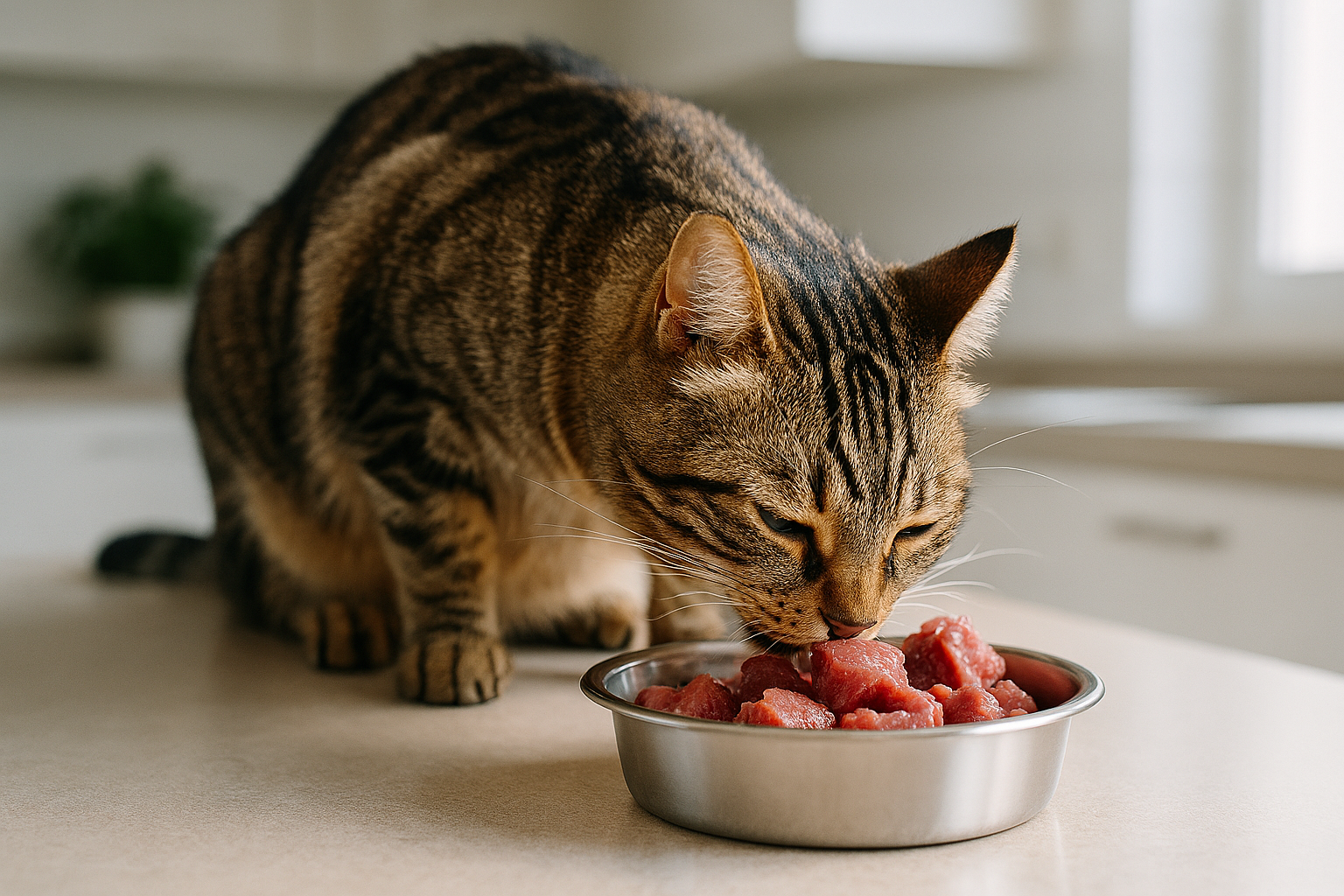
Raw cat food is a rapidly growing sector in the pet industry, offering potential nutritional benefits for cats, who are obligate carnivores. However, it presents significant risks, including pathogen contamination and nutritional imbalances. Owners and manufacturers should prioritize high-quality, properly formulated products while adhering to safety practices to mitigate these risks.
-
How Pet Kibble is Made; From A Pet Nutritionist
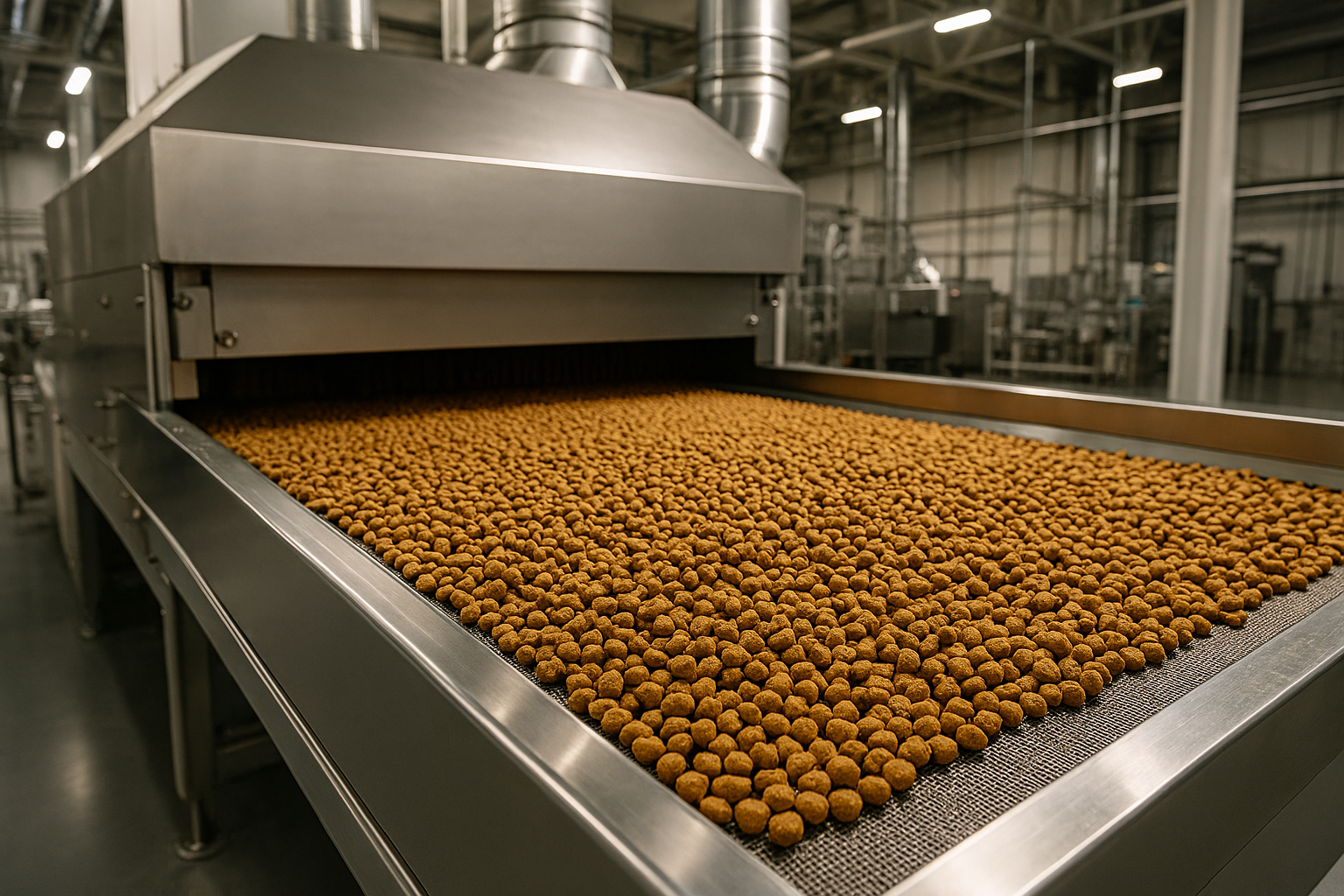
Kibble, the most common pet food, is produced through a sophisticated process involving ingredient selection, formulation, and advanced cooking technologies. Ingredients are carefully chosen and processed to ensure complete nutrition, while extrusion, drying, and quality control steps enhance safety and shelf stability. Properly formulated kibble can offer balanced nutrition for pets at all life stages.