
Category: Cat Nutrition
-
Is Your Pet’s Food Really Complete and Balanced? What AAFCO Standards Mean for Dog and Cat Owners

AAFCO sets nutritional guidelines for pet food but does not regulate or test products. While its standards ensure minimum nutrient levels, they favor dry food and overlook bioavailability. Pet owners should assess ingredient quality, consider fresh food options, and consult professionals for optimal pet nutrition beyond AAFCO compliance.
-
Wet vs. Dry Food: Which Is Better for Cats?

This article explores the differences between wet and dry cat food, focusing on hydration, nutrient content, and health benefits. It highlights why neutered male cats need moisture-rich diets to prevent urinary issues, discusses how to hydrate dry kibble, and offers a pet nutritionist’s recommendation for balanced feeding strategies.
-
Best Canadian Pet Food Brands; From A Pet Nutritionist

Recent U.S. and Canadian tariffs are driving up pet food prices, making Canadian brands more cost-effective. This blog compares Canadian and American pet food, lists tariff-exempt Canadian brands, and offers expert recommendations. Pet owners can navigate rising costs by choosing high-quality, locally sourced options that meet their pets’ nutritional needs.
-
The Impact of Marketing on Dog Food Choices

Marketing heavily influences dog food choices, using terms like “organic,” “human grade,” “natural,” and “GMO-free” to appeal to pet owners. However, these claims can be misleading and don’t always equate to better nutrition. Focus on AAFCO compliance, balanced formulations, and your dog’s specific needs over emotional or premium marketing strategies.
-
How Neutering May Affect Your Cat’s Nutritional Requirements
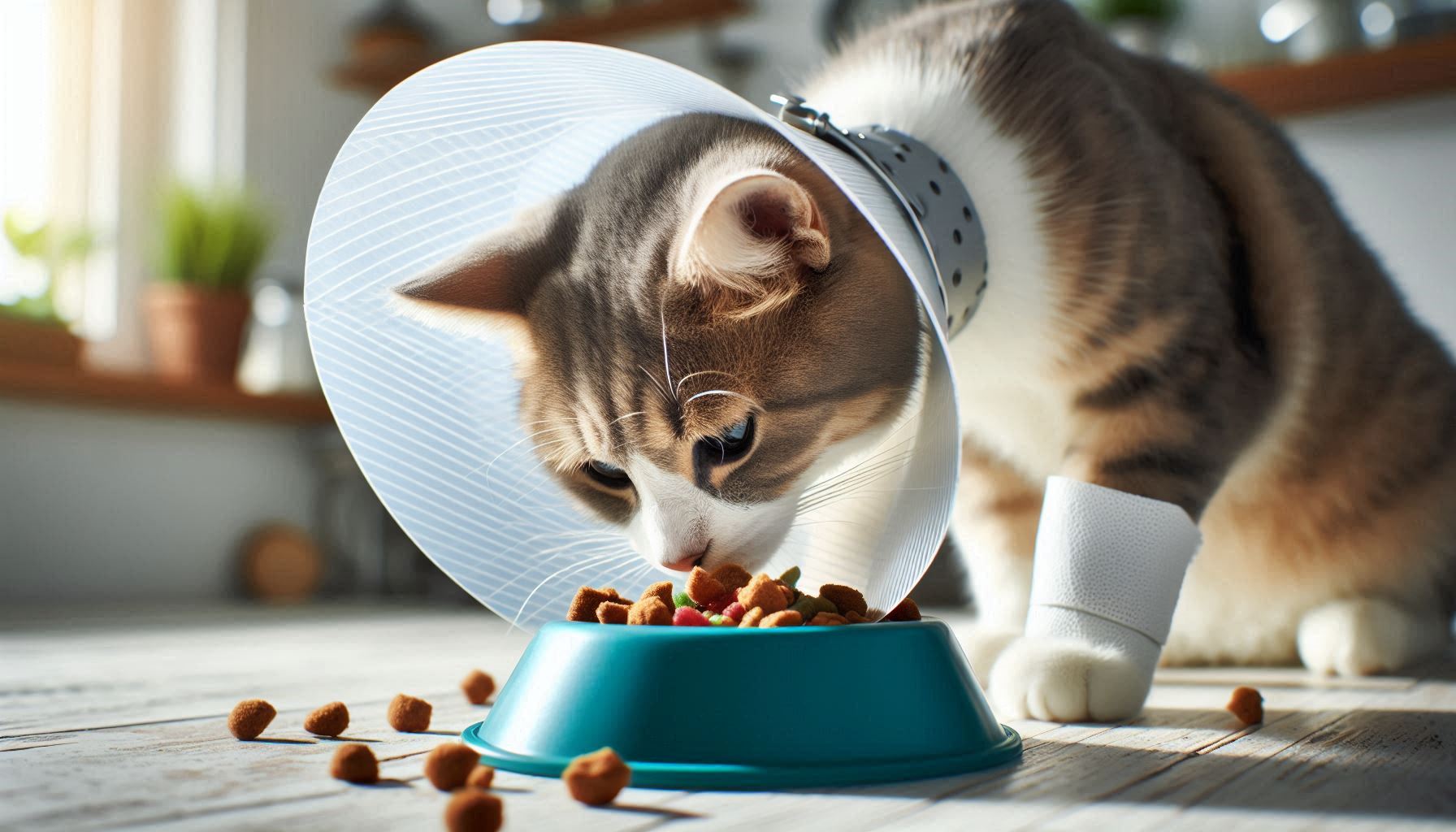
Neutering reduces a cat’s metabolic rate, decreasing energy needs by 25–30%, while often increasing appetite. This combination raises the risk of obesity and related health issues. Adjusting portion sizes, transitioning to diets for neutered cats, and encouraging exercise are essential. High-quality protein and urinary health support further ensure long-term well-being.
-
Best Cat Food For Kidney and Renal Support

Renal disease is common in aging cats, but a tailored diet can improve their quality of life. This guide covers symptoms, causes, and the role of nutrition in managing kidney disease. It highlights five recommended renal diets with expert insights, emphasizing hydration, reduced phosphorus, and palatability to support cats with CKD.