
Category: Cat Nutrition
-
Can Cats Eat Apples? A Pet Nutritionist’s Guide

Apples can be a safe, occasional treat for cats when prepared properly. This blog covers the nutritional value of apples, potential risks, and safe serving sizes, offering expert advice on moderation. While cats can eat apples, the majority of their diet should remain meat-focused to meet their unique nutritional needs as obligate carnivores.
-
Pet Nutritionist Reviews: Fromm Cat Food
This review of Fromm cat food highlights its quality ingredients, diverse flavors, and strong commitment to sustainability. With a focus on local sourcing, small-batch production, and eco-friendly practices, Fromm provides nutritionally balanced options for cats. The brand earns a nutritionist approval rating of 8.5/10, making it a reliable choice for pet owners.
-
Can Cats Eat Bread? A Pet Nutritionist’s Guide

Cats can safely eat small amounts of plain, fully baked bread occasionally, though it offers minimal nutritional benefits. Due to their carnivorous diet, cats require animal-based proteins and essential nutrients not found in bread. Avoid flavored or raw bread to prevent toxicity, weight gain, or digestive issues.
-
Why Mice Might Be the Perfect Protein for Your Cat’s Diet
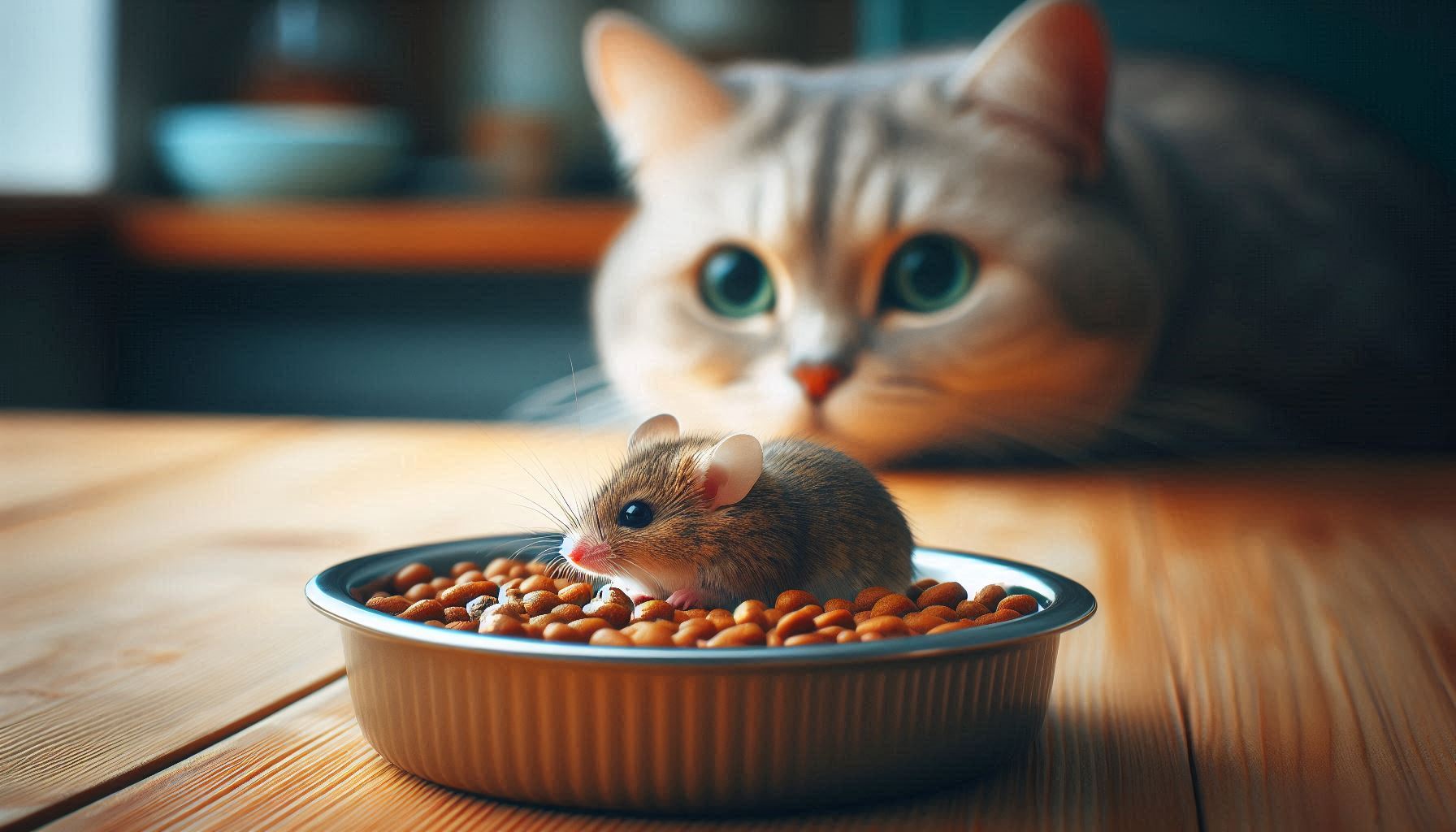
Mice in cat food offer a natural, nutrient-rich protein source, closely matching a cat’s natural diet. They provide high-quality protein, essential fats, and balanced minerals. Despite benefits, challenges include availability, safety concerns, and cost. Proper sourcing and processing are crucial. Mice are a viable option for allergy-prone or raw-fed cats.
-
Should Cats Eat Fish Everyday?
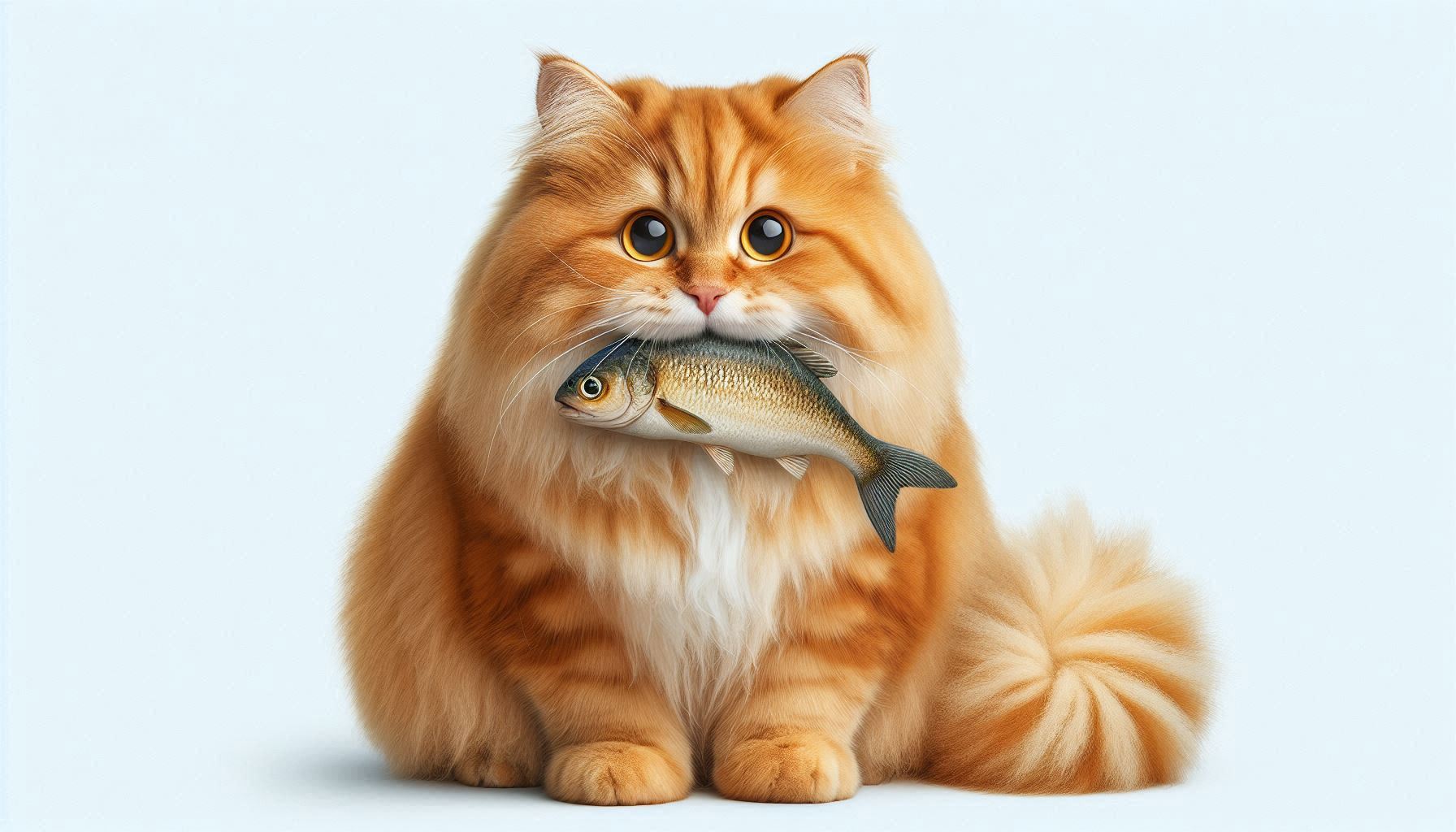
Fish can be a nutritious part of a cat’s diet, offering benefits like omega-3s and protein. However, feeding fish daily poses risks such as mercury exposure and nutrient imbalances. Rotating fish with other protein sources and choosing high-quality, low-mercury options ensures a balanced, safe diet for your feline friend.
-
Fibre for Felines: The Best Prebiotic Fibre to Include in Your Cat’s Diet
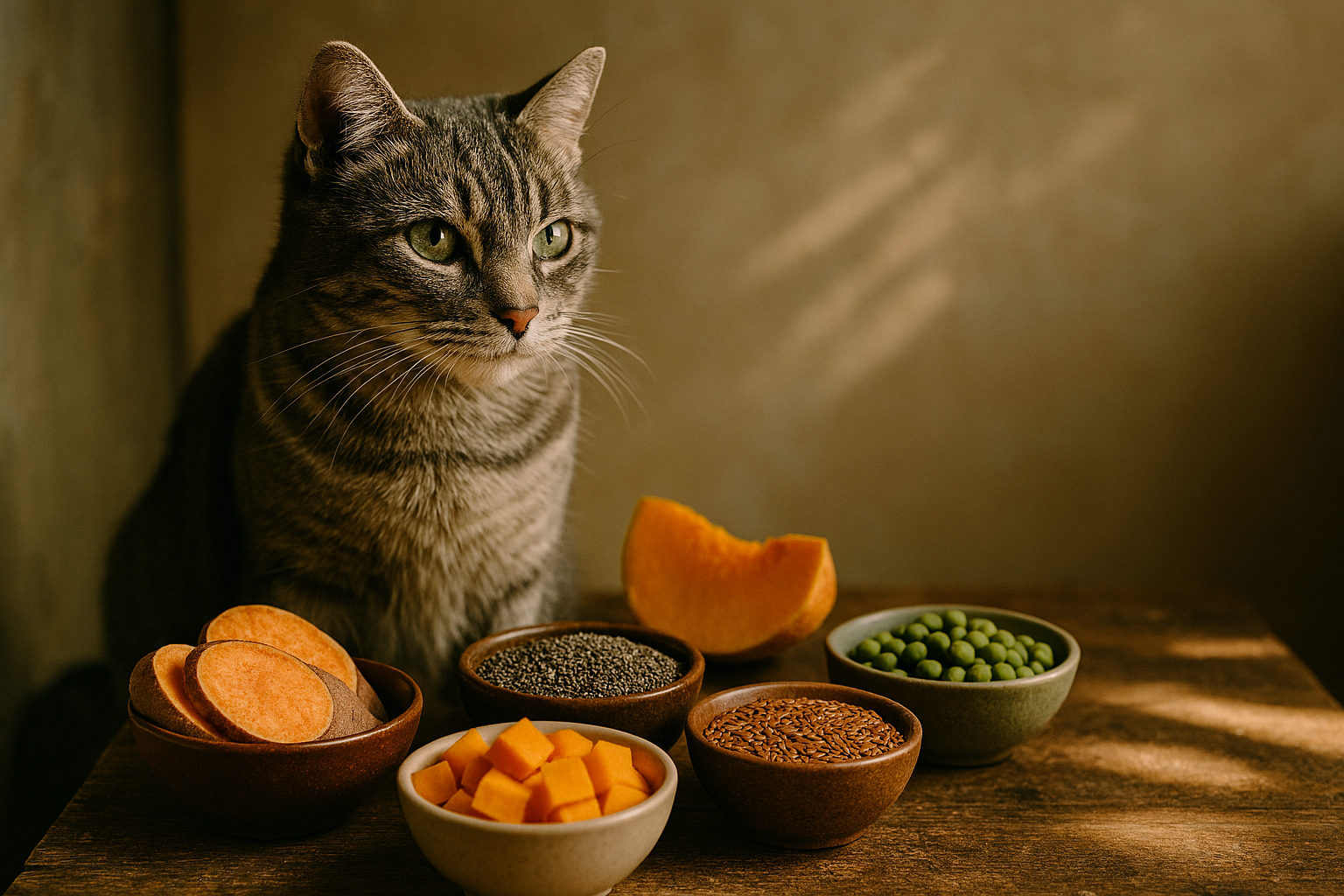
Fiber is essential for a cat’s digestive health, aiding in regular bowel movements, reducing hairballs, and promoting weight management. Incorporating fiber-rich foods like pumpkin, green beans, and psyllium husk into your cat’s diet can enhance their well-being. Explore various fiber sources to keep your feline friend healthy and happy.