
Author: Andrea Geiger, MSc
-
Pet Nutritionist Reviews: Fromm Cat Food
This review of Fromm cat food highlights its quality ingredients, diverse flavors, and strong commitment to sustainability. With a focus on local sourcing, small-batch production, and eco-friendly practices, Fromm provides nutritionally balanced options for cats. The brand earns a nutritionist approval rating of 8.5/10, making it a reliable choice for pet owners.
-
High-Protein Dog Food: Benefits, Risks, and Expert Recommendations

A high-protein diet for dogs can benefit active, working, and aging dogs by supporting muscle and energy needs, but it may be unsuitable for dogs with kidney issues or low activity. Learn about ideal protein levels, best food options, and expert guidance to decide if a high-protein diet suits your dog.
-
Can Cats Eat Bread? A Pet Nutritionist’s Guide

Cats can safely eat small amounts of plain, fully baked bread occasionally, though it offers minimal nutritional benefits. Due to their carnivorous diet, cats require animal-based proteins and essential nutrients not found in bread. Avoid flavored or raw bread to prevent toxicity, weight gain, or digestive issues.
-
Pet Nutritionist Reviews: Nutram Pet Products
Nutram receives an 8.5 out of 10 for its quality and diverse formulas. With a focus on holistic health and a strong safety record, it’s an excellent choice for pet owners seeking premium nutrition. Although pricier, it offers valuable, scientifically backed diets for those prioritizing their dog’s health.
-
Why Mice Might Be the Perfect Protein for Your Cat’s Diet
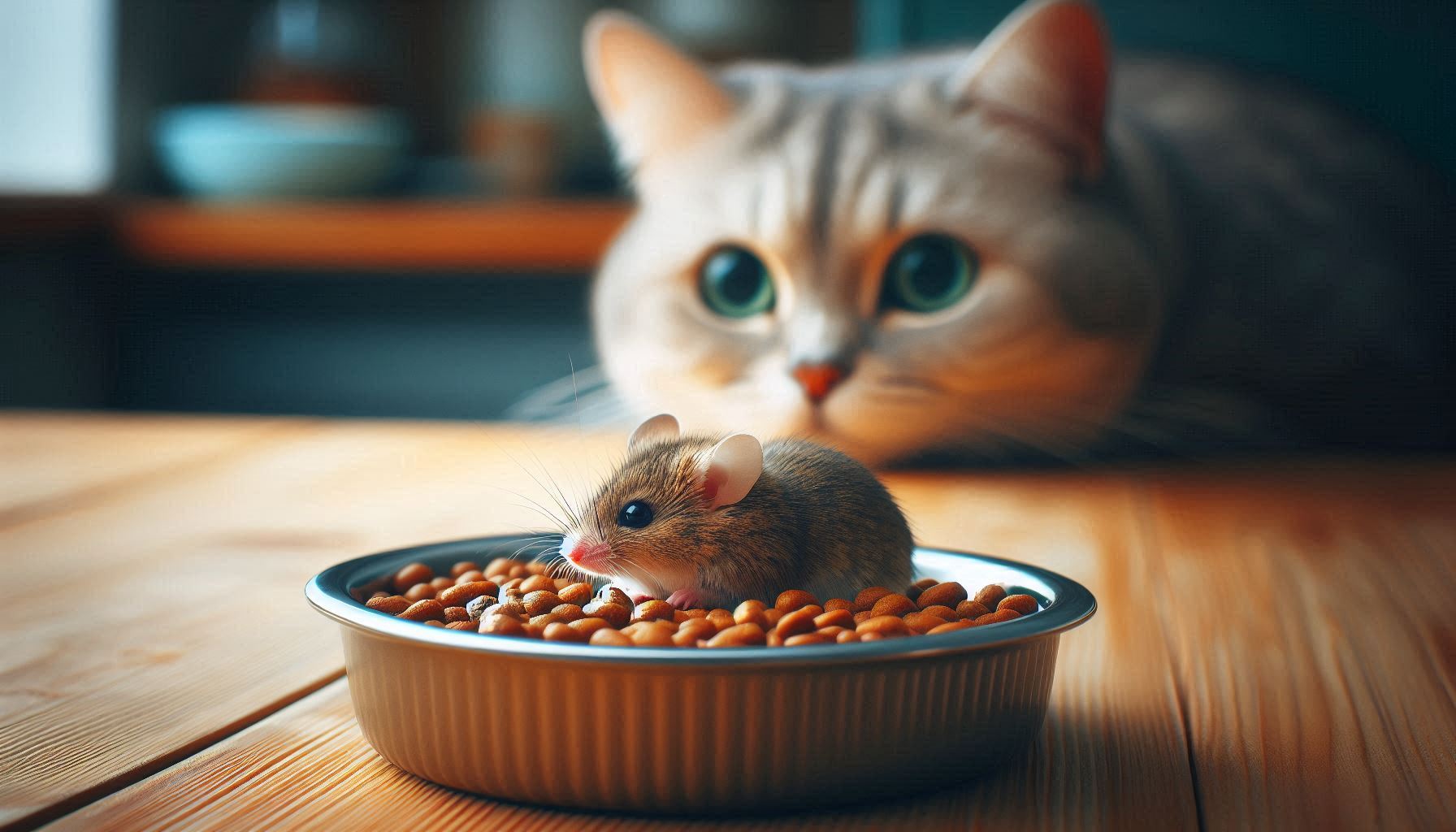
Mice in cat food offer a natural, nutrient-rich protein source, closely matching a cat’s natural diet. They provide high-quality protein, essential fats, and balanced minerals. Despite benefits, challenges include availability, safety concerns, and cost. Proper sourcing and processing are crucial. Mice are a viable option for allergy-prone or raw-fed cats.
-
Is Kibble Good or Bad for Dogs? A Science-Based Analysis

Kibble is a widely used dog food option, praised for its convenience and balanced nutrition. This content examines its production, benefits, and drawbacks, stressing the importance of quality ingredients. Additionally, it addresses the debate between kibble and fresh diets, ultimately recommending a 50/50 mix for optimal health and nutrition.