
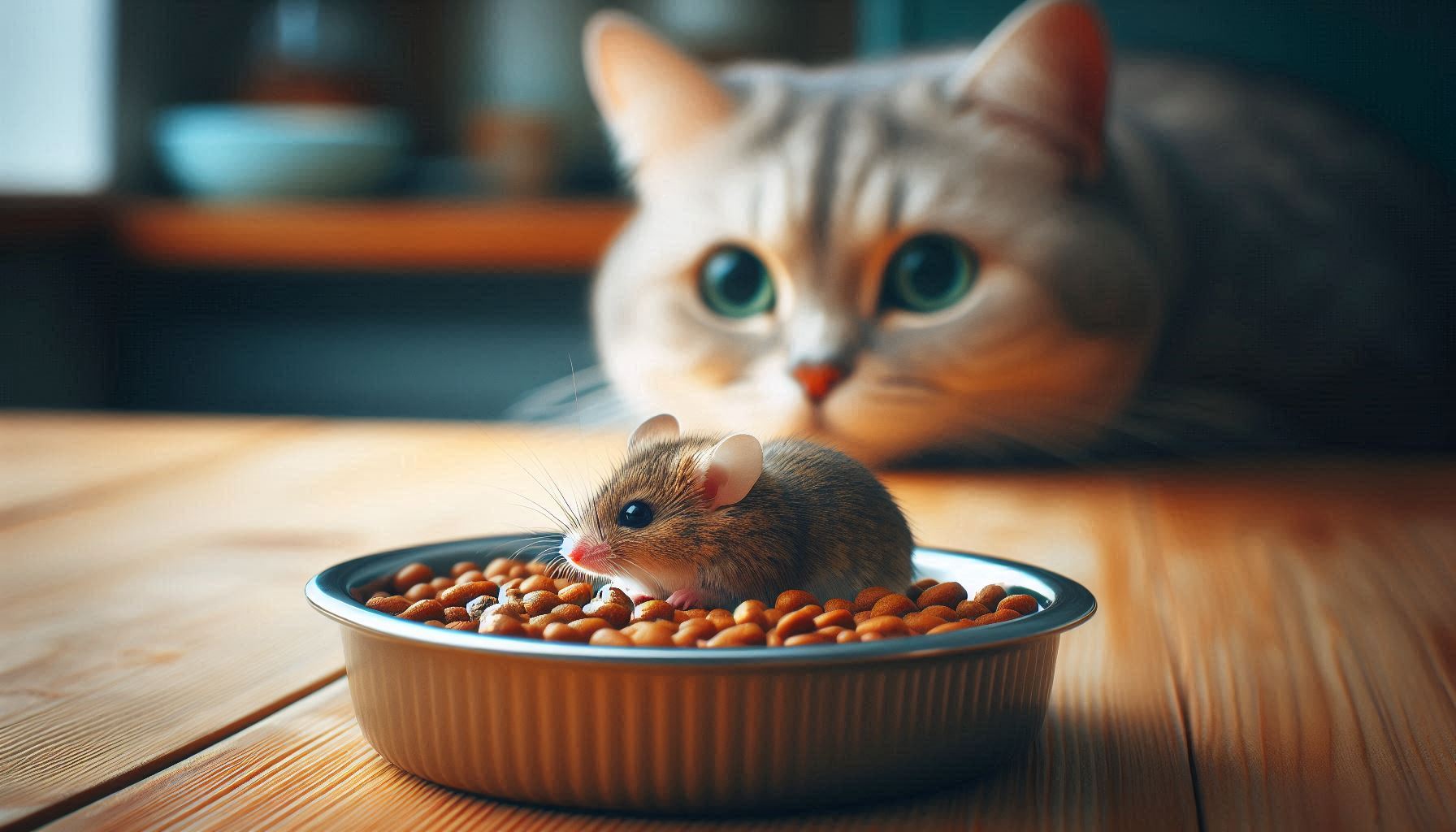
Why Mice Might Be the Perfect Protein for Your Cat’s Diet
Mice might not be the first protein source that comes to mind when thinking about cat food, but they are a natural prey for felines. In the wild, cats are obligate carnivores that rely on a diet rich in animal proteins, and mice are one of their preferred meals. As the pet food market continues to evolve, some companies are exploring unconventional protein sources like mice to cater to cats’ natural dietary needs. This blog post delves into the nutritional profile of mice, the pros and cons of using them as a cat food ingredient, regulatory considerations in Canada and the USA, and commercial options that include mouse meat.

Nutritional Breakdown of Mouse Meat
Mice provide a balanced nutritional profile that aligns closely with the dietary needs of cats. Here’s a breakdown of the key nutrients they offer:
- Protein: Mice are a high-quality protein source, with around 60-65% of their body weight composed of protein. This protein is easily digestible for cats and supplies essential amino acids like taurine, which is vital for heart health, vision, and reproduction in felines.
- Fat: Mice are rich in fats, including essential fatty acids like omega-6, which contribute to healthy skin and coat. Fat content in mice typically ranges from 8-15%, making them an energy-dense food source suitable for active cats.
- Vitamins and Minerals: Mice contain essential vitamins such as Vitamin A, B-vitamins, and Vitamin E, as well as minerals like calcium and phosphorus. Whole prey also offers trace minerals like zinc and magnesium, which are important for metabolic functions.
- Calcium-to-Phosphorus Ratio: The bones of mice provide an optimal calcium-to-phosphorus ratio, which is crucial for bone health. This balance ensures that the mineral content is bioavailable, reducing the need for synthetic supplementation.
- Moisture: Raw mice have a high moisture content of around 70%, which aligns well with a cat’s natural hydration needs. Unlike dry kibble, feeding a diet that includes whole prey like mice can help prevent urinary tract issues by maintaining adequate hydration levels.

Pros and Cons of Mice as a Cat Food Ingredient
Pros of Mouse Meat For Cats:
- Natural Prey for Cats: Mice are biologically appropriate for cats as they mimic the natural prey felines would hunt in the wild. Feeding mice aligns with a cat’s ancestral diet, providing balanced nutrition without the need for extensive supplementation.
- High Bioavailability of Nutrients: The nutrients in mice are highly bioavailable, meaning they are easily absorbed and utilized by a cat’s body. This can lead to better overall health, improved coat condition, and strong immune function.
- Allergy-Friendly Protein: Mice can be a novel protein source for cats with food allergies or sensitivities. For cats that have reactions to more common proteins like chicken or beef, mouse meat can be a viable alternative.
- Promotes Healthy Eating Habits: Offering whole or ground mice can encourage natural chewing behavior in cats. This may aid in dental health by helping to reduce plaque and tartar buildup through natural gnawing action.
Cons Associated With Feeding Mice To Cats:
- Availability and Cost: Mice are not as widely available as traditional proteins like chicken or fish, which can make them a more expensive option. Additionally, finding commercial cat foods that include mice as an ingredient can be challenging due to limited demand.
- Potential Zoonotic Risks: Raw mice can carry parasites or pathogens, such as Toxoplasma gondii or Salmonella, which can be harmful to both cats and their owners. It is crucial for raw mouse products to undergo proper freezing or sterilization to minimize these risks.
- Consumer Perception: Many pet owners may find the idea of feeding mice to their cats unappealing. This can limit the commercial success of products containing mouse meat, despite their nutritional benefits.
- Quality Control: Ensuring the quality and safety of mice used in pet food can be more challenging than with farm-raised animals like poultry. Proper sourcing, handling, and processing are essential to ensure consistency and safety.

Why Mouse Meat May Be Good for Cats with Allergies
For cats with food allergies or sensitivities, finding a suitable protein source can be challenging. Mouse meat offers a novel protein that many cats have not been exposed to before, making it an excellent choice for elimination diets or for pets with sensitivities to common proteins like chicken, beef, or fish. Using a novel protein can help reduce allergic reactions, as it’s less likely that a cat’s immune system has developed a sensitivity to it.
Mouse meat provides all the essential amino acids cats need, including taurine, without triggering allergic reactions associated with more common proteins. Additionally, mouse meat contains naturally occurring omega-6 fatty acids, which support skin health, potentially benefiting cats with allergies that manifest as skin issues. The presence of natural vitamins and minerals in whole prey also eliminates the need for synthetic additives, which can sometimes be another source of sensitivities.
By choosing mouse meat, cat owners can offer a high-quality protein that supports overall health while minimizing the risk of food allergies. It’s a way to provide complete and balanced nutrition tailored to the needs of sensitive cats.

Sustainability of Mice as an Ingredient in Cat Food
Using mice as a protein source in cat food presents several sustainability advantages compared to traditional livestock proteins like beef, chicken, or fish. Mice have a smaller ecological footprint, require less land and water for rearing, and produce lower greenhouse gas emissions. They also have a shorter breeding cycle, making them easier to raise in larger quantities with a lower overall environmental impact.
Additionally, mice can be raised in controlled environments, reducing the need for pesticides or antibiotics that are more common in larger-scale livestock farming. This minimizes environmental pollution and the risk of antibiotic-resistant bacteria. Furthermore, using mice aligns with waste reduction practices, as their whole bodies can be utilized without the need for extensive processing, unlike larger animals that may require more resources to convert into pet food.
However, there are challenges to consider. The demand for mice as a cat food ingredient is still limited, which means scaling up production sustainably might be difficult until there is broader acceptance. Additionally, proper sourcing and humane practices are essential to ensure the ethical treatment of mice raised for pet food. As awareness of sustainable feeding options grows, mouse meat could become an appealing, eco-friendly protein choice for cats, offering a balance between environmental considerations and a biologically appropriate diet.

Regulations for Mice in Cat Food in Canada and the USA
In Canada, pet foods are regulated by the Canadian Food Inspection Agency (CFIA), though the standards for pet food ingredients are less stringent compared to human food. While there is no specific regulation that addresses the use of mice as a protein source, any ingredient used in pet food must be safe and meet the standards for rendering, processing, and handling.
- Safety Standards: Mice used in pet food must be processed in a way that ensures they are free of harmful pathogens and parasites. This may involve pasteurization or freeze-drying processes to ensure safety.
- Labeling Requirements: Pet food products containing mice as an ingredient must adhere to labeling requirements that ensure transparency for consumers. Labels must list ingredients in descending order by weight and include a guaranteed analysis of nutrients like protein, fat, fiber, and moisture.
In the United States, pet food is regulated by the Food and Drug Administration (FDA) under the Federal Food, Drug, and Cosmetic Act (FD&C Act). The Association of American Feed Control Officials (AAFCO) also provides guidelines for nutrient requirements and labeling but does not have the authority to enforce regulations.
- Ingredient Safety: The FDA mandates that ingredients in pet food must be safe for consumption and produced in sanitary conditions. If whole mice are used in a commercial product, they must be processed to eliminate potential pathogens.
- AAFCO Guidelines: AAFCO sets nutrient profiles that pet food manufacturers must meet to label their products as “complete and balanced.” While AAFCO does not specifically list mice as a standard ingredient, products that include mice must still meet the overall nutrient requirements for cat food.
- State-Level Regulations: Some states may have additional regulations or restrictions for pet food ingredients, including the use of unconventional proteins like mice. Manufacturers must ensure compliance with state-specific guidelines as well as federal requirements.
Commercial Companies Offering Mouse-Based Cat Food
The market for cat food containing mouse meat is still niche, but there are a few brands that have embraced this unique protein source:
- Muridae Pet – Mouser Products: The world’s first cat food with cat’s most natural prey: mice. All of their products are sourced are made in the USA and packaged in BPA free cans. Mouser is 97% meat, gluten free, with no carbohydrate fillers and no needless thickener.
- Hare Today Gone Tomorrow: This company offers whole prey foods, including ground and whole mice, as part of their raw feeding options for cats. They focus on providing natural, minimally processed food that aligns with a cat’s natural diet.
- RodentPro: Specializing in feeder animals, RodentPro offers frozen mice intended for raw feeding to exotic pets, but many cat owners use their products as well. While not a traditional commercial cat food brand, their mice can be used as a topper to a whole diet for cats.

Companion Animal Nutritionist Recommendation
As a certified companion animal nutritionist, I recommend considering whole prey diets, including mice, for cats that can benefit from a biologically appropriate diet. Particularly for cats with food allergies or sensitivities to common proteins, mouse meat can be a valuable alternative. Mice provide a well-rounded nutrient profile that closely matches a cat’s natural prey in the wild, making them an excellent source of high-quality protein, essential fats, and a balanced calcium-to-phosphorus ratio.
However, due to the potential for pathogen risk, I do not recommend that cat owners feed their pets raw mice or source mouse meat themselves. It is best for owners to seek out commercial mouse food that cooks or pasteurizes the meat. This reduces the risk of parasites or pathogens that could harm your pet. Additionally, transitioning to a diet that includes whole prey should be done gradually to avoid gastrointestinal upset, and it’s always best to consult with a veterinary professional before making any significant dietary changes.
Andrea Geiger is a certified companion animal nutritionist with a master’s degree in Veterinary Toxicology and Nutrition. With over five years of experience in product development and consulting, Andrea specializes in creating science-based nutrition plans and formulating recipes that prioritize pet health, ensuring optimal nutrition for dogs and cats alike.
Conclusion
Mice as an ingredient in cat food may be unconventional, but they offer a nutritionally dense and natural option that closely aligns with the diet cats would consume in the wild. With a high protein content, essential fats, and a balanced calcium-to-phosphorus ratio, mice provide many benefits that can support feline health. However, challenges such as availability, cost, and consumer perception may limit their mainstream adoption.
Regulatory frameworks in Canada and the USA ensure that any pet food ingredients, including mice, must be safe for consumption. For those interested in feeding their cats a diet that includes whole prey like mice, there are some niche brands and suppliers that cater to this need. As pet owners become more informed about feline nutrition and seek out biologically appropriate diets, the market for mouse-based cat food may continue to grow, offering a unique way to meet the dietary needs of our feline companions.
Leave a Reply