
Tag: pets
-
Best Storage Containers for Dog Food

Proper storage of dog food is essential to maintain its nutritional value and safety. Airtight containers protect food from air, moisture, and pests. Different food types (kibble, wet, raw) require specific storage methods. Regular cleaning of containers is crucial. Top recommended containers include Gamma2 Vittles Vault and IRIS Airtight.
-
Can Cats Eat Apples? A Pet Nutritionist’s Guide

Apples can be a safe, occasional treat for cats when prepared properly. This blog covers the nutritional value of apples, potential risks, and safe serving sizes, offering expert advice on moderation. While cats can eat apples, the majority of their diet should remain meat-focused to meet their unique nutritional needs as obligate carnivores.
-
Can Dogs Eat Raw Meat?

Feeding dogs raw meat is a popular trend, but it comes with potential risks for both pets and humans. While raw meat provides high-quality protein and nutrients, it can harbor pathogens and lead to nutritional imbalances. Safe handling, proper hygiene, and a balanced diet are essential for health. Expert guidance is advised.
-
Pet Nutritionist Reviews: Fromm Cat Food
This review of Fromm cat food highlights its quality ingredients, diverse flavors, and strong commitment to sustainability. With a focus on local sourcing, small-batch production, and eco-friendly practices, Fromm provides nutritionally balanced options for cats. The brand earns a nutritionist approval rating of 8.5/10, making it a reliable choice for pet owners.
-
High-Protein Diets for Dogs: Benefits, Risks, and Expert Recommendations

A high-protein diet for dogs can benefit active, working, and aging dogs by supporting muscle and energy needs, but it may be unsuitable for dogs with kidney issues or low activity. Learn about ideal protein levels, best food options, and expert guidance to decide if a high-protein diet suits your dog.
-
Can Cats Eat Bread? A Pet Nutritionist’s Guide
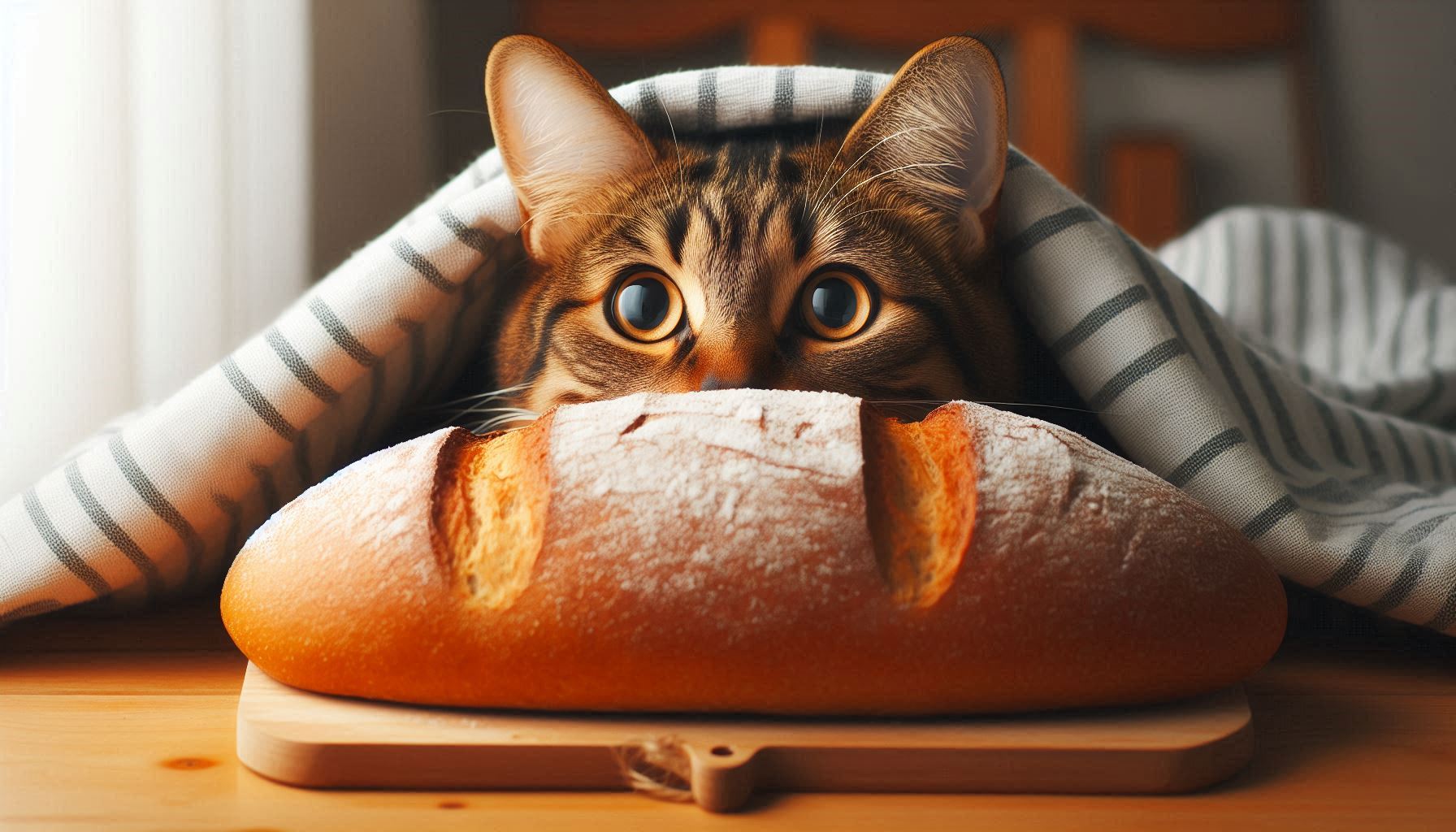
Cats can safely eat small amounts of plain, fully baked bread occasionally, though it offers minimal nutritional benefits. Due to their carnivorous diet, cats require animal-based proteins and essential nutrients not found in bread. Avoid flavored or raw bread to prevent toxicity, weight gain, or digestive issues.