
Category: Dog Nutrition
-
Can Dogs Eat Oranges? From a Pet Nutritionist
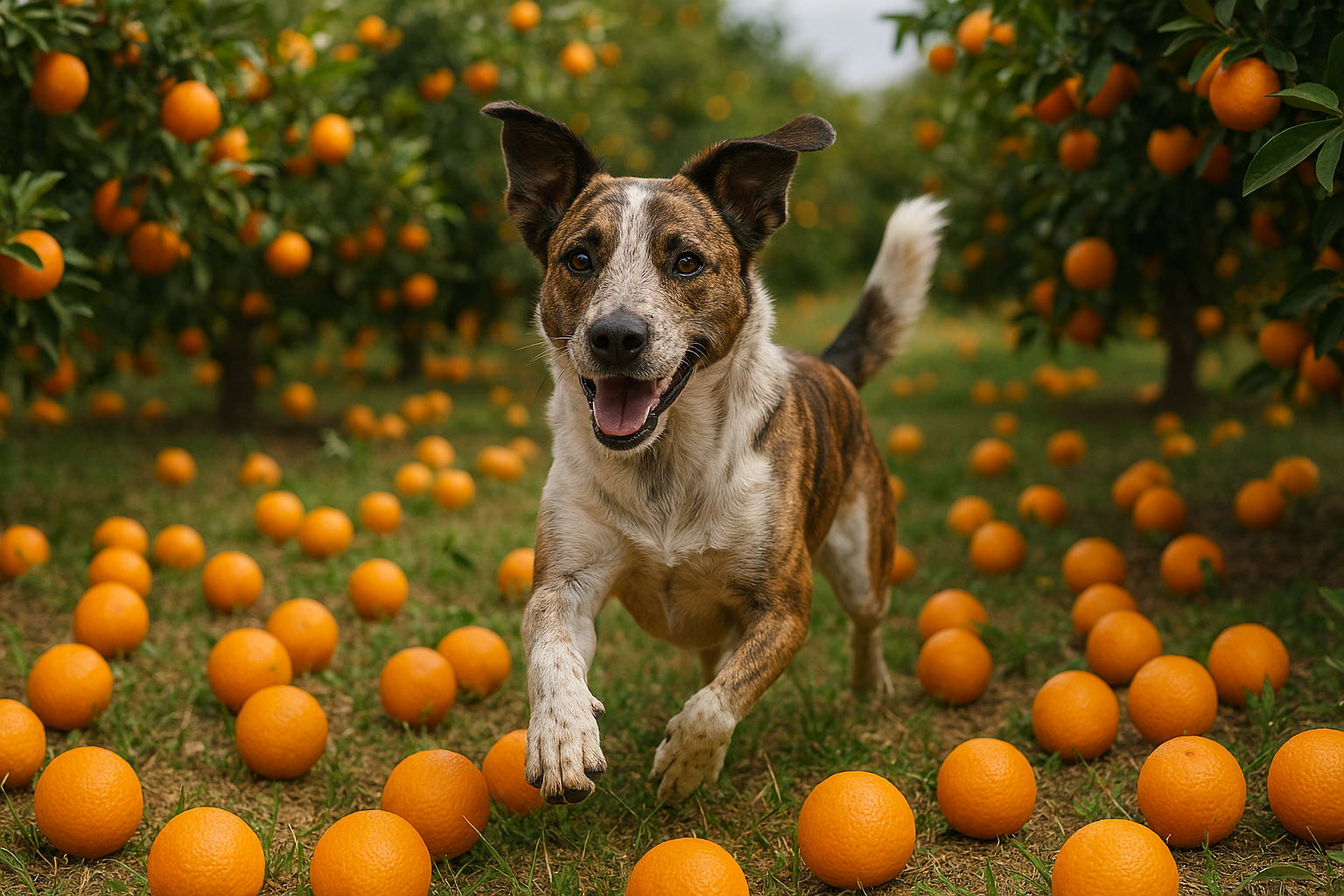
Dogs can safely eat oranges in small amounts, but moderation is crucial due to sugar content and potential digestive issues. While not nutritionally necessary, oranges can serve as occasional treats. Always remove peels and seeds before offering. Consult a veterinarian for dogs with specific health concerns before introducing fruit.
-
The Hidden Toxins in Your Dog’s Bowl: What a New Study Reveals About Heavy Metals in Dog Food
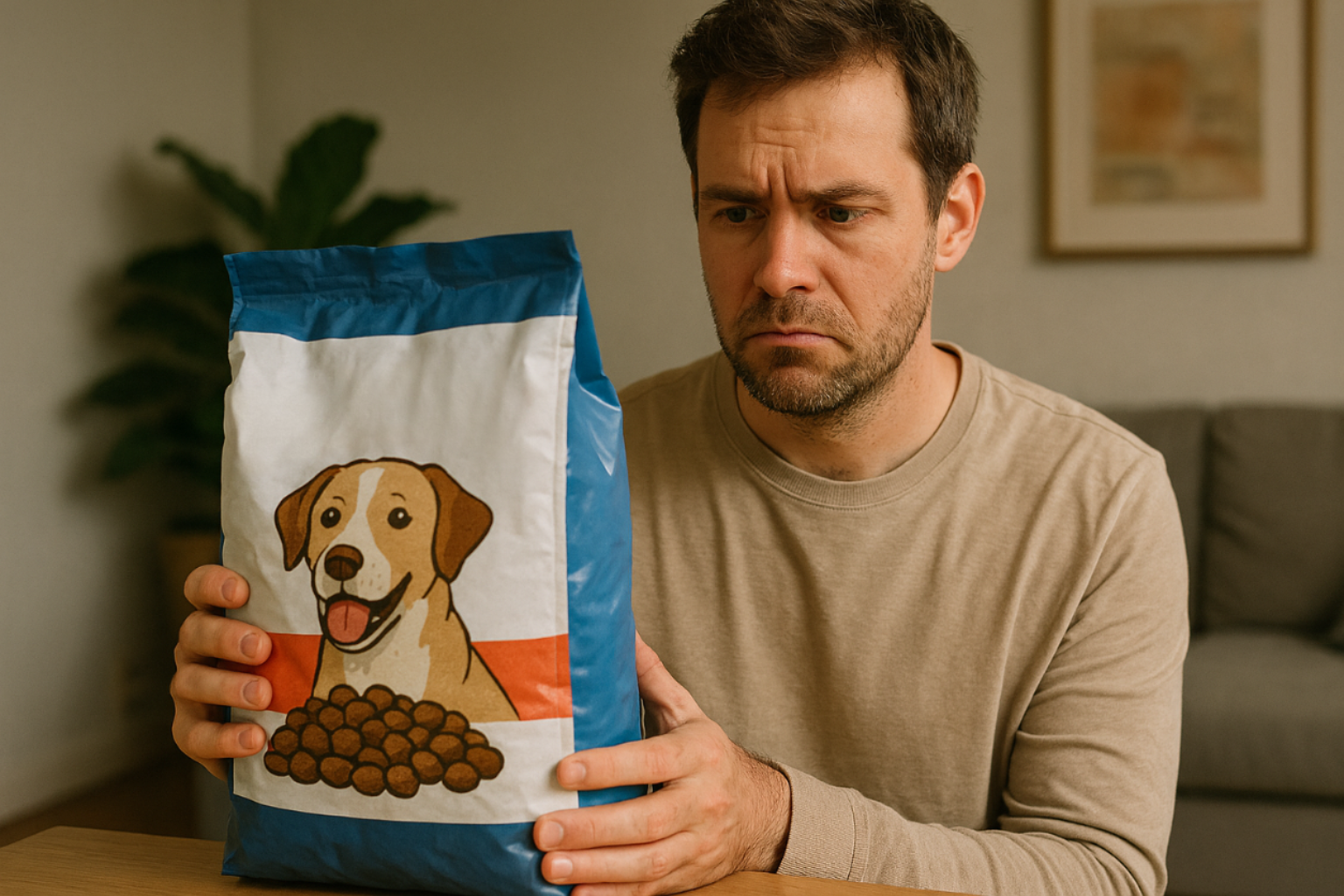
A science based deep dive into heavy metals in dog food, including arsenic, lead, cadmium, and mercury. Learn how reported levels compare to AAFCO maximum limits, whether dry food is safe, and what a pet nutritionist recommends to reduce long term exposure risk.
-
Pet Nutritionist Reviews: Nutrience Dog Food
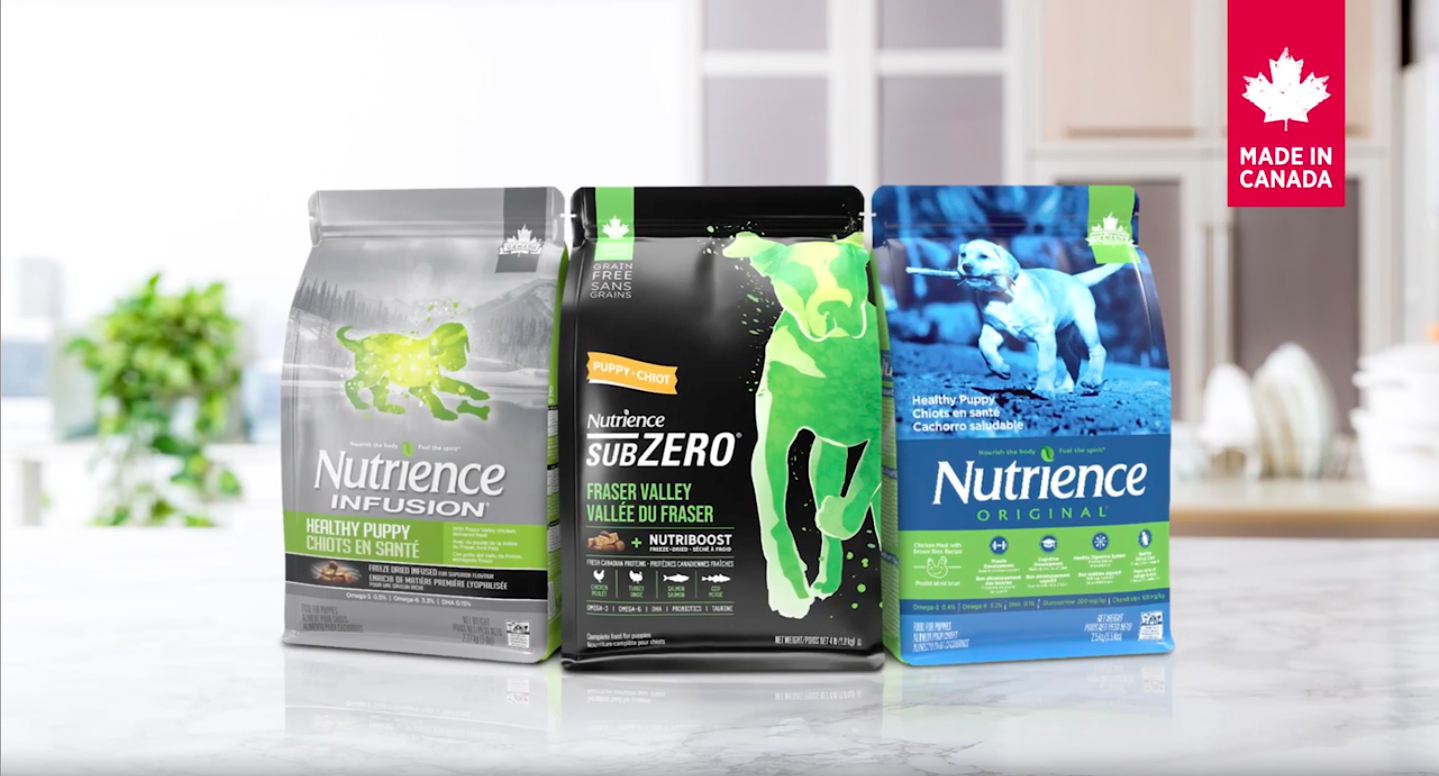
Nutrience is a Canadian pet food brand that emphasizes quality and safety in its dog food products. Manufactured in British Columbia, its diverse product lines include Original, Grain-Free SubZero, Care, and Infusion. Nutrience incorporates high-quality, whole proteins but also uses some plant proteins. Overall, it earns an 8.5/10 for nutritional integrity and safety standards.
-
Top 10 Reasons You Should Consider Feeding Your Dog Grain-Free

Grain-free dog food is popular for addressing food sensitivities, allergies, and digestive issues in dogs. While concerns about heart disease persist, research doesn’t confirm that grain-free diets cause it. These diets can enhance digestion, support weight management, stabilize blood sugar, and provide higher protein, ultimately benefiting canine health and well-being.
-
Why Dogs Should Never Eat Chocolate: Expert Insights

Chocolate is toxic to dogs due to the theobromine and caffeine it contains, which affects their central nervous, cardiovascular, and gastrointestinal systems. Even small amounts, especially dark chocolate, can lead to serious health issues. Pet owners should ensure chocolate is inaccessible and seek immediate veterinary help if ingestion occurs.
-
Common Mistakes to Avoid When Making Homemade Dog Food

Homemade dog food can be beneficial but requires careful planning to avoid nutrient imbalances, deficiencies, and contamination risks. Common mistakes include improper nutrient ratios, lack of supplements, toxic ingredients, and high costs. Consulting a pet nutritionist ensures balanced recipes that meet AAFCO guidelines, promoting optimal canine health and well-being.