
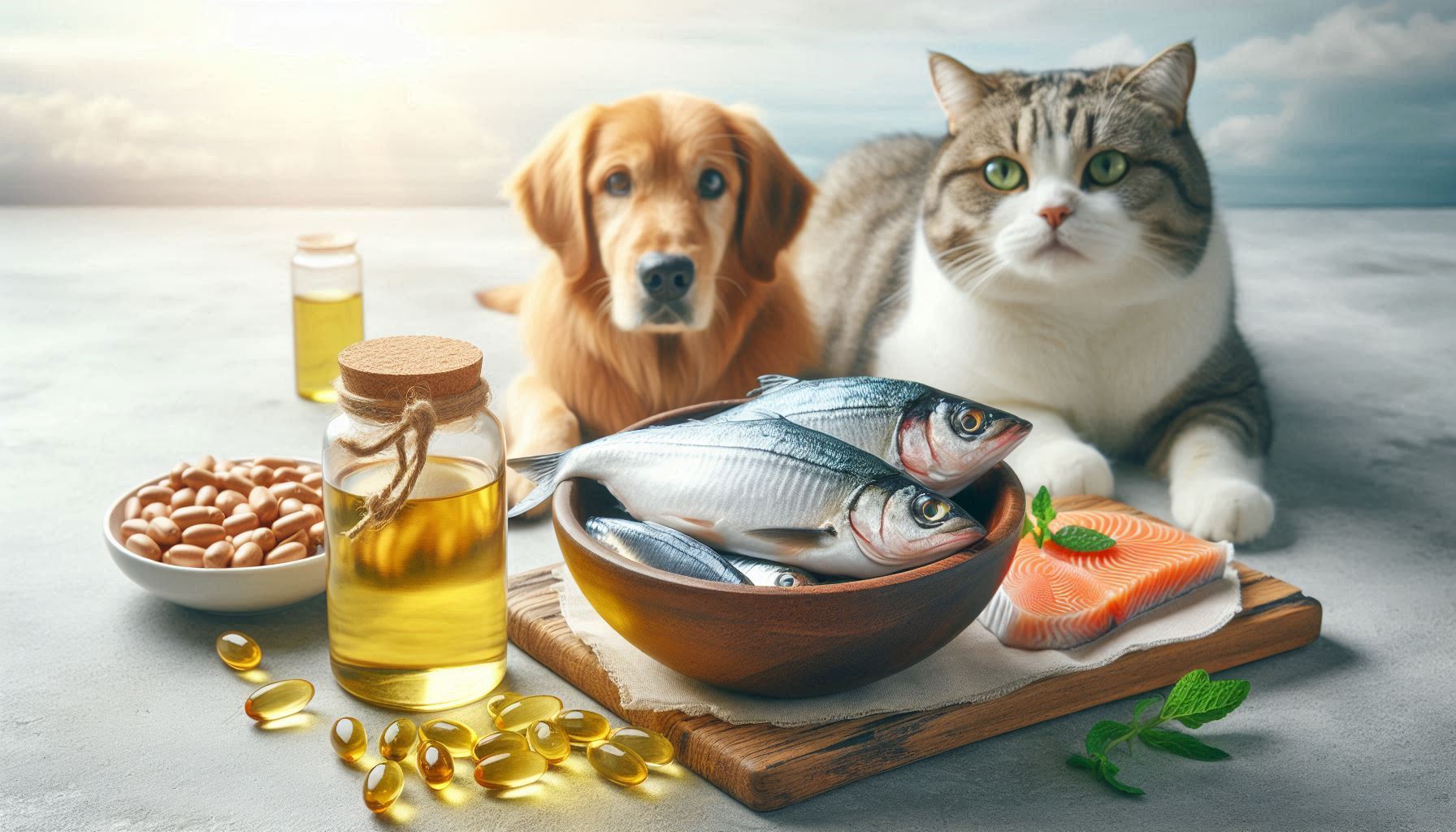
Best Omega-3 Sources for Dogs and Cats
Omega-3 fatty acids are essential nutrients that play a crucial role in the health of both dogs and cats. These beneficial fats support everything from brain development and immune function to joint health and skin condition. However, not all omega-3s are created equal, and pet owners must understand the different types, sources, and recommended amounts to optimize their pets’ diets. In this blog, I’ll explain the science behind omega-3s, the mechanism by which they work, and my professional recommendations as a pet nutritionist.

What Are Omega-3 Fatty Acids?
Omega-3 fatty acids are a group of polyunsaturated fatty acids (PUFAs) that are essential in the diet because pets cannot synthesize them on their own. They are primarily known for their anti-inflammatory properties and their role in cellular function. Omega-3s are characterized by a double bond at the third carbon from the methyl end of the fatty acid chain, making them unique compared to other types of fats.

There are three main types of omega-3 fatty acids that are relevant to pet nutrition:
- Eicosapentaenoic Acid (EPA)
- Docosahexaenoic Acid (DHA)
- Alpha-Linolenic Acid (ALA)
Each of these fatty acids plays a distinct role in the body, and their sources and bioavailability vary significantly.
How Omega-3s Work in the Body
Omega-3s exert their effects through incorporation into cell membranes, modulation of inflammatory pathways, and influence on gene expression. EPA and DHA are primarily involved in anti-inflammatory processes and are precursors to specialized pro-resolving lipid mediators (SPMs), such as resolvins and protectins, which actively reduce inflammation (Calder, 2021). These fatty acids also play a key role in brain function, retinal health, and cardiovascular support.
ALA, on the other hand, is a precursor to EPA and DHA but has a very low conversion rate in dogs and cats (Pawlosky et al., 2001). Because of this, direct sources of EPA and DHA are preferred over ALA when formulating diets for pets.

Types of Omega-3s and Their Functions
- Eicosapentaenoic Acid (EPA): Reduces inflammation, supports joint health, and promotes cardiovascular function.
- Docosahexaenoic Acid (DHA): Essential for brain development, cognitive function, and eye health.
- Alpha-Linolenic Acid (ALA): Found in plant sources but poorly converted to EPA and DHA in pets, making it a less effective source of omega-3s.
Best Omega-3 Sources for Dogs and Cats
Marine-Based Omega-3 Sources (Best for EPA & DHA)
- Salmon – Rich in EPA and DHA, highly bioavailable.
- Sardines – Small, nutrient-dense fish with high omega-3 content.
- Mackerel – A fatty fish with high levels of EPA and DHA.
- Anchovies – Small fish with concentrated omega-3s and low risk of contaminants.
- Herring – A common source of omega-3s in pet food and supplements.
- Krill Oil – A sustainable source of omega-3s with added astaxanthin for antioxidant benefits.
- Algal Oil – A plant-based marine source of DHA, great for pets with fish allergies.
- Cod Liver Oil – Provides omega-3s along with vitamin D and A (must be used cautiously).
Plant-Based Omega-3 Sources (ALA, Less Effective for EPA & DHA Conversion)
- Flaxseeds – High in ALA, though conversion to EPA/DHA is minimal in pets.
- Chia Seeds – Rich in ALA and fiber, can be sprinkled on food.
- Hemp Seeds – Contains ALA and a balanced omega-3 to omega-6 ratio.
- Walnut Oil – A plant-based source of ALA, though should be given in moderation.
Other Animal-Based Omega-3 Sources
- Eggs (Omega-3 Enriched) – Not only high in protein, Eggs from hens fed omega-3-rich diets contain DHA.
- Grass-Fed Beef – Contains higher omega-3s compared to grain-fed beef.
- Green-Lipped Mussels – A natural source of EPA, DHA, and joint-supporting compounds like glucosamine.

While plant-based sources like flaxseed and chia contain high levels of ALA, they are not the best sources for pets due to their low conversion efficiency to EPA and DHA. Marine-based oils, such as fish and algal oil, provide preformed EPA and DHA, making them more beneficial.

Omega-3 vs. Omega-6: Key Differences
Omega-3 and omega-6 fatty acids are both essential polyunsaturated fats, but they have different roles in the body:
- Omega-3s (EPA & DHA): Primarily anti-inflammatory, supporting joint, skin, heart, and brain health.
- Omega-6s (Linoleic Acid, Arachidonic Acid): Promote inflammation, essential for skin and coat health but must be balanced with omega-3s to prevent excessive inflammation.
Most commercial pet foods contain high levels of omega-6s from vegetable oils (e.g., corn, soybean, sunflower oil), making omega-3 supplementation essential to restore a healthy balance.

Recommended Daily Intake of Omega-3s for Pets
The ideal daily dosage of omega-3s varies depending on the pet’s size, health condition, and dietary needs. General recommendations based on research and veterinary guidelines suggest:
- Dogs: 50–100 mg of EPA+DHA per kg of body weight per day
- Cats: 30–50 mg of EPA+DHA per kg of body weight per day
For example, a 20 kg dog would require between 1,000–2,000 mg of combined EPA and DHA daily. It is crucial to balance omega-3s with omega-6s in the diet to prevent an imbalance that could negate the anti-inflammatory effects (Bauer, 2011).

Pet Nutritionist’s Recommendation
As a companion animal nutritionist, I strongly advocate for the inclusion of omega-3s in pet diets, particularly from marine-based sources. Based on my experience and review of the scientific literature, I recommend the following:
- Use Marine-Based Oils: Fish oil, krill oil, or algal oil provide the most bioavailable forms of EPA and DHA. Avoid relying solely on flaxseed or chia seed oil for omega-3s.
- Check for Purity and Sustainability: Choose high-quality, third-party tested omega-3 supplements to ensure they are free from contaminants such as heavy metals and oxidation byproducts. Sustainable sourcing is also crucial to protect marine ecosystems.
- Adjust Dosage Based on Health Needs: Dogs with arthritis, skin conditions, or cognitive decline may benefit from the higher end of the recommended dosage range. Always consult with a veterinarian or a nutritionist to tailor omega-3 supplementation to your pet’s needs.
- Store Properly: Omega-3 oils are prone to oxidation, which can render them ineffective or even harmful. Store them in dark, airtight containers in the refrigerator and discard any oil that smells rancid.
- Balance with Omega-6s: Most commercial pet foods are high in omega-6 fatty acids from vegetable oils. Supplementing with omega-3s helps restore a healthier ratio and counteracts excessive inflammation.
Incorporating the right omega-3 sources into your pet’s diet can have a profound impact on their overall health, from reducing inflammation to supporting cognitive and cardiovascular function. Given the strong evidence supporting the benefits of EPA and DHA, I highly recommend that pet owners make omega-3 supplementation a part of their pets’ regular dietary routine.
Andrea Geiger is a certified companion animal nutritionist with a master’s degree in Veterinary Toxicology and Nutrition. With over five years of experience in product development and consulting, Andrea specializes in creating science-based nutrition plans and formulating recipes that prioritize pet health, ensuring optimal nutrition for dogs and cats alike.
References
- Bauer, J. E. (2011). Therapeutic use of fish oils in companion animals. Journal of the American Veterinary Medical Association, 239(11), 1441-1451.
- Calder, P. C. (2021). Omega-3 fatty acids and inflammatory processes: from molecules to man. Biochemical Society Transactions, 49(1), 233-245.
- Pawlosky, R. J., Hibbeln, J. R., Novotny, J. A., & Salem, N. Jr. (2001). Physiological compartmental analysis of alpha-linolenic acid metabolism in adult humans. The Journal of Lipid Research, 42(8), 1257-1265.
- Simopoulos, A. P. (2016). An increase in the omega-6/omega-3 fatty acid ratio increases the risk for obesity. Nutrients, 8(3), 128.
Leave a Reply