
Tag: Dog Nutrition
-
Best Storage Containers for Dog Food

Proper storage of dog food is essential to maintain its nutritional value and safety. Airtight containers protect food from air, moisture, and pests. Different food types (kibble, wet, raw) require specific storage methods. Regular cleaning of containers is crucial. Top recommended containers include Gamma2 Vittles Vault and IRIS Airtight.
-
Can Dogs Eat Raw Meat?

Feeding dogs raw meat is a popular trend, but it comes with potential risks for both pets and humans. While raw meat provides high-quality protein and nutrients, it can harbor pathogens and lead to nutritional imbalances. Safe handling, proper hygiene, and a balanced diet are essential for health. Expert guidance is advised.
-
High-Protein Diets for Dogs: Benefits, Risks, and Expert Recommendations

A high-protein diet for dogs can benefit active, working, and aging dogs by supporting muscle and energy needs, but it may be unsuitable for dogs with kidney issues or low activity. Learn about ideal protein levels, best food options, and expert guidance to decide if a high-protein diet suits your dog.
-
Pet Nutritionist Reviews: Nutram Pet Products
Nutram receives an 8.5 out of 10 for its quality and diverse formulas. With a focus on holistic health and a strong safety record, it’s an excellent choice for pet owners seeking premium nutrition. Although pricier, it offers valuable, scientifically backed diets for those prioritizing their dog’s health.
-
How to Create a Dog-Safe Thanksgiving Dinner
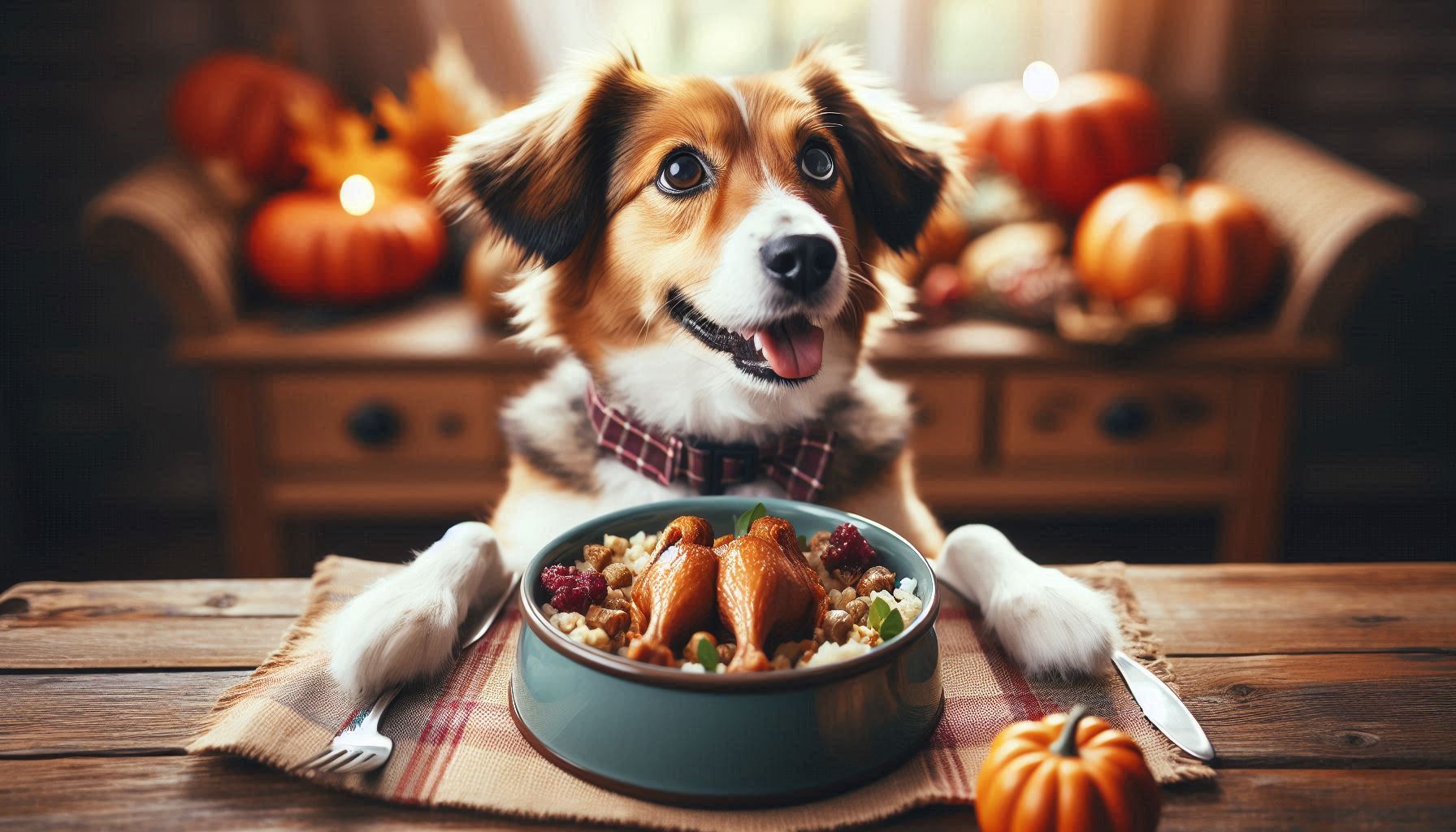
This blog offers tips on creating a dog-safe Thanksgiving dinner by serving plain, cooked turkey, mashed or sweet potatoes, green beans, and pumpkin, while avoiding harmful foods like onions, garlic, gravy, and chocolate. It ensures your dog can enjoy the holiday safely, alongside the family feast.
-
Does My Dog Have Food Allergies? Signs, Symptoms, and Solutions

Food allergies in dogs can cause itching, ear infections, and digestive issues. Diagnosing requires an elimination diet to identify allergens, often found in common proteins like beef or chicken. Managing allergies involves feeding limited ingredient or hydrolyzed protein diets and avoiding cross-contamination to ensure your dog’s health and comfort.