
The Doggie Dish
Welcome! Here, we delve into all things pet nutrition, from the best food choices for your dogs and cats to the latest advancements in nutrition science. Whether you’re a pet parent looking for guidance on what to feed your furry friends or a fellow professional keen on staying updated with industry trends, this blog offers expert insights and practical advice to keep your companions healthy and thriving.
-
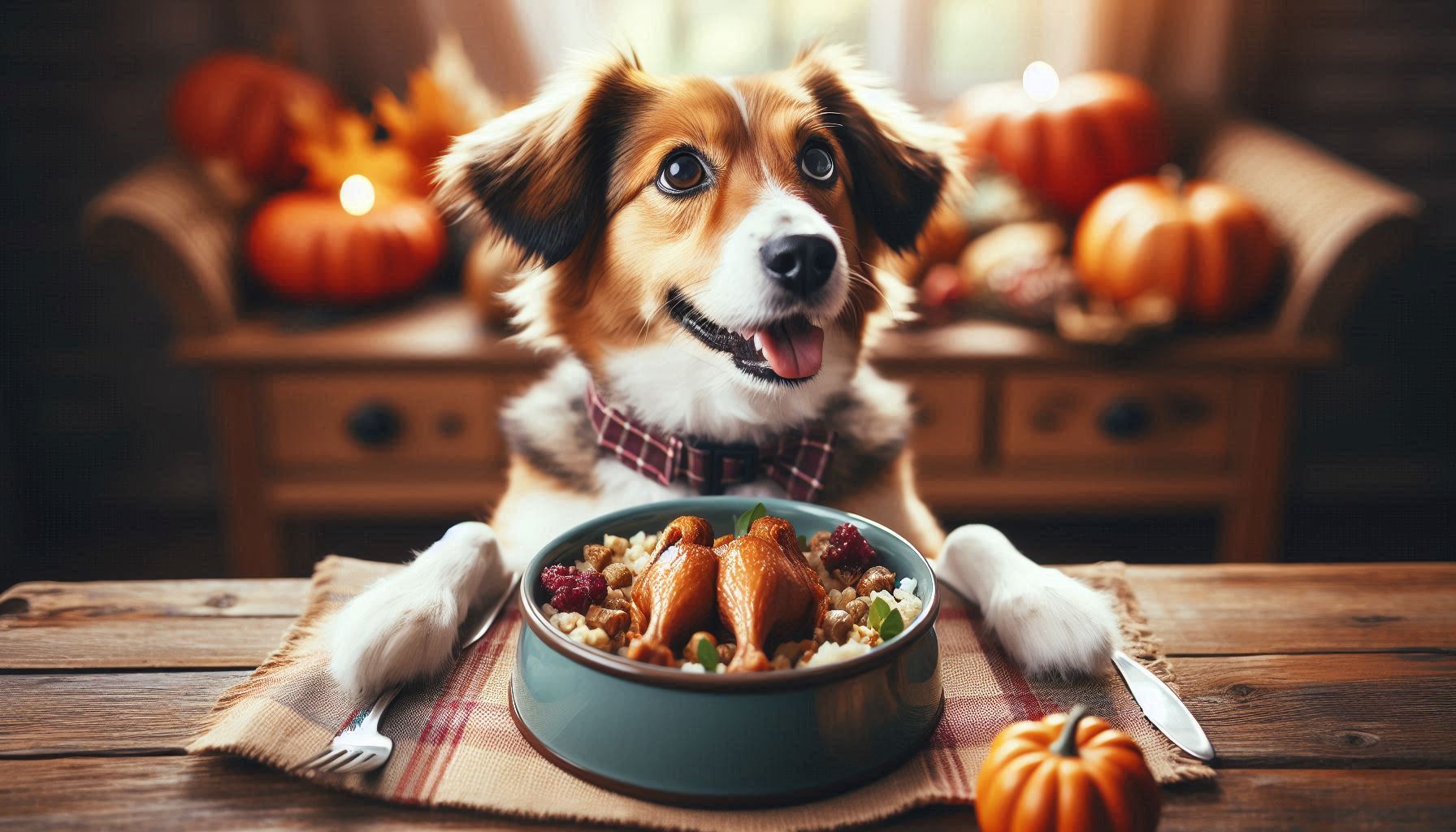
How to Create a Dog-Safe Thanksgiving Dinner
This blog offers tips on creating a dog-safe Thanksgiving dinner by serving plain, cooked turkey, mashed or sweet potatoes, green beans, and pumpkin, while avoiding harmful foods like onions, garlic, gravy, and chocolate. It ensures your dog can enjoy the holiday safely, alongside the family feast.
-

Fibre for Felines: The Best Prebiotic Fibre to Include in Your Cat’s Diet
Fiber is essential for a cat’s digestive health, aiding in regular bowel movements, reducing hairballs, and promoting weight management. Incorporating fiber-rich foods like pumpkin, green beans, and psyllium husk into your cat’s diet can enhance their well-being. Explore various fiber sources to keep your feline friend healthy and happy.
-

Does My Dog Have Food Allergies? Signs, Symptoms, and Solutions
Food allergies in dogs can cause itching, ear infections, and digestive issues. Diagnosing requires an elimination diet to identify allergens, often found in common proteins like beef or chicken. Managing allergies involves feeding limited ingredient or hydrolyzed protein diets and avoiding cross-contamination to ensure your dog’s health and comfort.
-
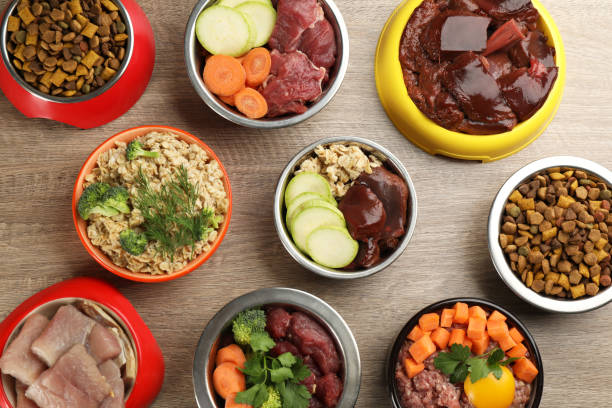
How To Accurately Review The Nutrients in Pet Food: The Importance of Differentiating Between As-Fed and Dry Matter
Differentiating between as-fed and dry matter basis is highly important when evaluating pet food. It highlights how dry matter calculations provide a clearer comparison of nutrients across different food types, ensuring pets receive proper nutrition.
-

The Best Food for Cats with Constipation
To manage constipation in cats, choose foods high in fiber, moisture, and probiotics. Opt for high-fiber diets with ingredients like pumpkin or psyllium, and moisture-rich canned foods to keep stools soft. Added probiotics and prebiotics support gut health. Hydration and balanced nutrition are key to preventing and alleviating constipation.

Subscribe
Enter your email below to receive updates.