
The Doggie Dish
Welcome! Here, we delve into all things pet nutrition, from the best food choices for your dogs and cats to the latest advancements in nutrition science. Whether you’re a pet parent looking for guidance on what to feed your furry friends or a fellow professional keen on staying updated with industry trends, this blog offers expert insights and practical advice to keep your companions healthy and thriving.
-

Can Dogs Eat Shrimp? From a Pet Nutritionist
Shrimp can be a nutritious treat for dogs when prepared properly, providing high-quality protein and essential nutrients. However, it carries risks such as bacterial contamination if raw and choking hazards from shells. Always cook shrimp thoroughly, remove all shells, and introduce it slowly to monitor for allergies. Avoid feeding dogs seasoned or fried shrimp.
-

Homemade Food for Dogs With Liver Disease: From a Pet Nutritionist
This guide emphasizes that managing a dog’s liver disease requires a tailored nutrition plan based on the specific diagnosis rather than outdated low-protein diets. Key considerations include moderate, high-quality protein, copper restriction for certain conditions, and appropriate supplementation. Collaboration with a pet nutritionist and veterinarian is crucial for optimal treatment.
-
Homemade Food for Dogs With Kidney Disease: From a Pet Nutritionist
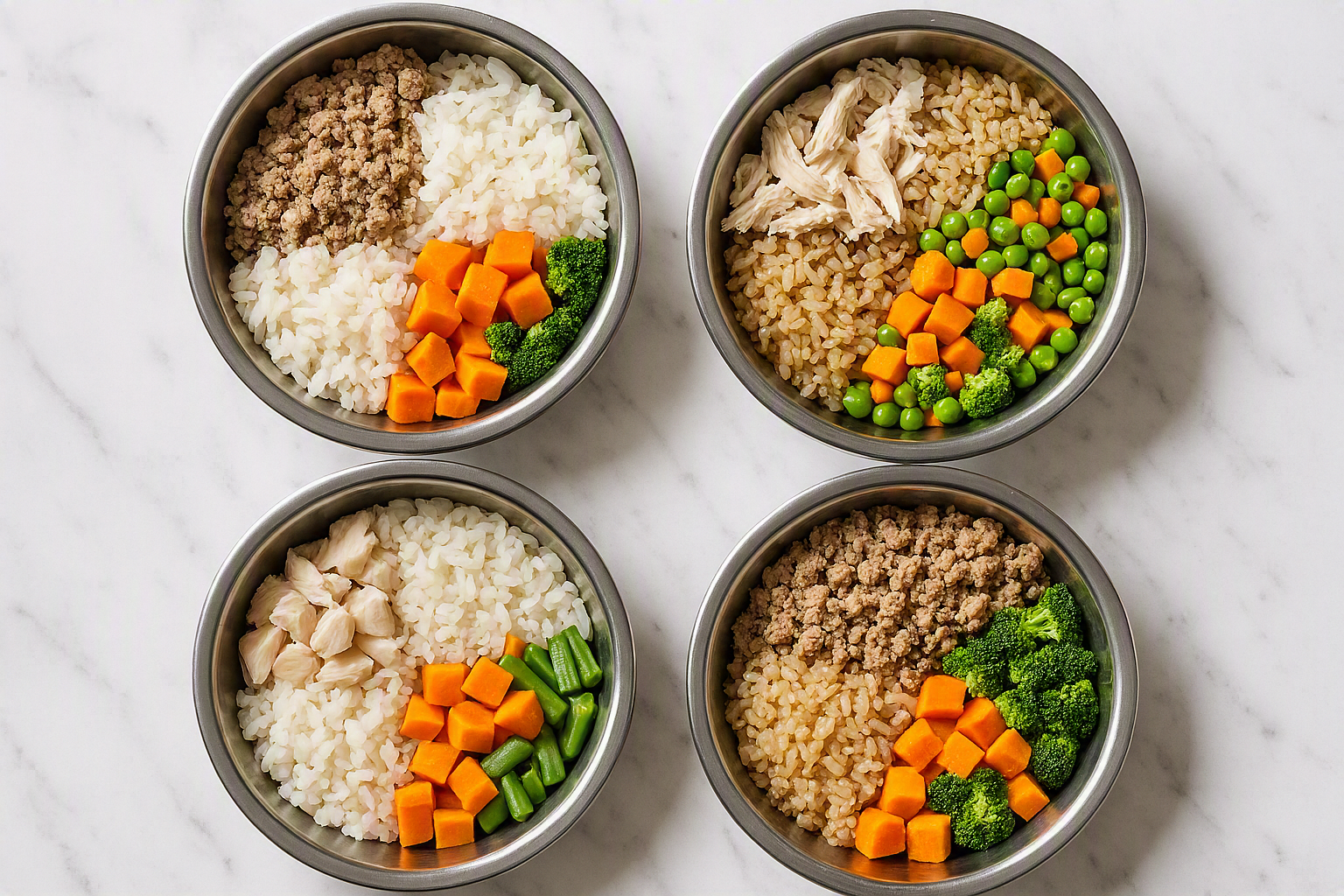
This nutrition guide emphasizes the importance of a tailored homemade diet for dogs with chronic kidney disease (CKD). It outlines the significance of phosphorus and protein regulation based on the dog’s IRIS stage, highlights common dietary mistakes, and encourages consulting a pet nutritionist for personalized recipe formulation.
-

Homemade Food for Dogs With Diabetes: From a Pet Nutritionist
Nutrition Guide Homemade Food for Dogs With Diabetes: From a Pet Nutritionist Insulin doses, meal timing, blood glucose curves, suddenly food isn’t just food anymore. Homemade food can absolutely fit into a diabetic dog’s care plan, but this is a condition where consistency matters more than almost anything else. Visit AGeiger Pet Nutrition This guide…
-

Homemade Food for Dogs With Skin Allergies: From a Pet Nutritionist
Nutrition Guide Homemade Food for Dogs With Skin Allergies: From a Pet Nutritionist Constant scratching, red irritated skin, ear infections that keep coming back. Nutrition can genuinely help when food is part of the picture, but skin allergies are a more complicated puzzle than “switch the food and the itching stops.” Visit AGeiger Pet Nutrition…
-

Homemade Food for Dogs With Cancer: From a Pet Nutritionist
This guide emphasizes the importance of tailored nutrition for dogs diagnosed with cancer. It highlights how cancer affects a dog’s dietary needs and suggests homemade diets as supportive rather than curative. Key considerations include protein intake, fat as an energy source, and maintaining appetite, all in coordination with veterinary care.
Subscribe
Enter your email below to receive updates.