
The Doggie Dish
Welcome! Here, we delve into all things pet nutrition, from the best food choices for your dogs and cats to the latest advancements in nutrition science. Whether you’re a pet parent looking for guidance on what to feed your furry friends or a fellow professional keen on staying updated with industry trends, this blog offers expert insights and practical advice to keep your companions healthy and thriving.
-

Homemade Food for Dogs With Hypothyroidism: From a Pet Nutritionist
The guide discusses managing canine hypothyroidism through diet alongside medication. It highlights the crucial role of calorie control and meal timing for optimizing medication absorption while debunking myths about iodine. Proper nutritional strategies support weight management, coat health, and overall well-being without replacing necessary hormonal treatments.
-
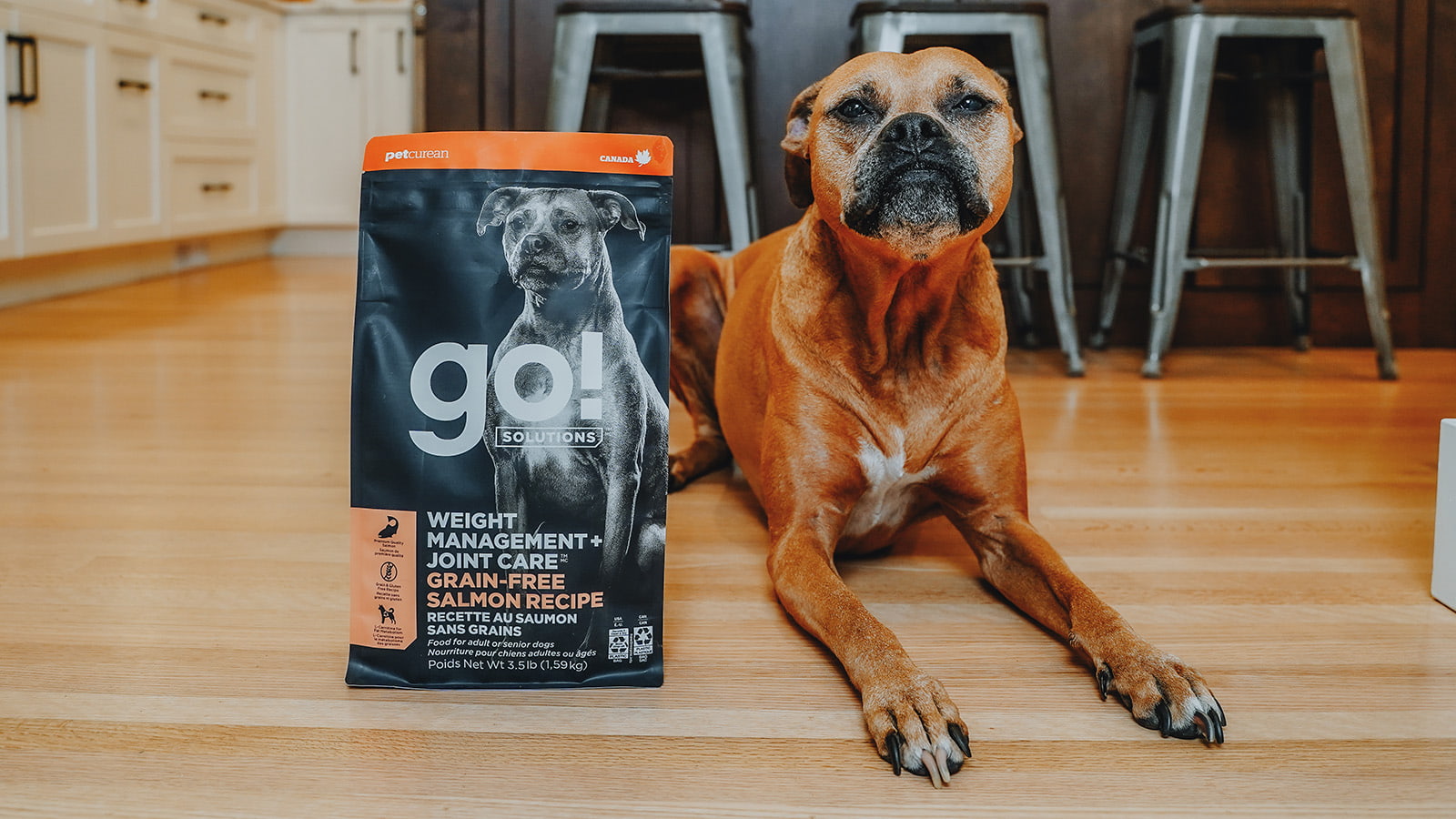
Go! Solutions Dog Food Review From a Pet Nutritionist
Go! Solutions, a family-owned Canadian pet food brand, specializes in needs-based nutrition with five specific formulas: Carnivore, Sensitivities, Skin + Coat Care, Digestion + Gut Health, and Weight Management + Joint Care. Despite a notable recall in 2003, it now has a strong safety record and an overall rating of 8.5/10.
-

Best Dog-Friendly Events in Calgary
The Calgary Dog Events Guide highlights ten dog-friendly activities in Calgary, including festivals and markets, alongside details on their dates and suitability for different dogs. It emphasizes the importance of hydration and nutrition for pets at these events and provides answers to frequently asked questions about participation and preparation.
-

Best Food for Underweight Dogs; From A Pet Nutritionist
The guide discusses the challenges of helping underweight dogs gain weight. It emphasizes the importance of understanding the underlying causes, the role of calorie-dense, highly digestible diets, and the significance of protein for muscle rebuilding. Veterinary consultation is recommended for personalized plans tailored to each dog’s needs.
-
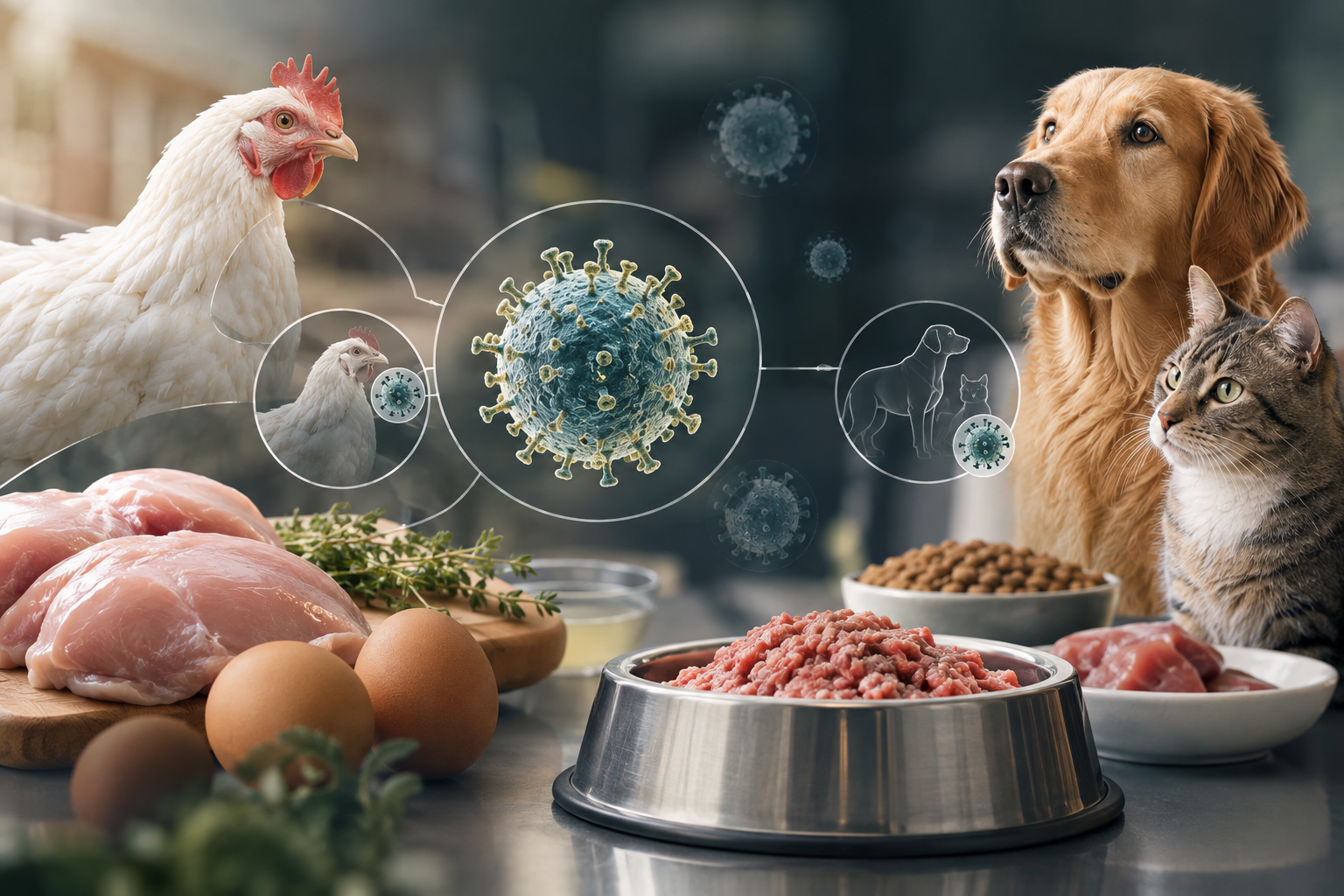
H5N1 Is Now a Food Safety Hazard: What Veterinarians and Pet Owners Need to Know
The FDA has recognized H5N1 as a food safety hazard specifically in raw pet food, particularly poultry-based products linked to severe illness in cats. While there are no documented cases in dogs, the risk exists. Veterinarians should engage clients in informed discussions about sourcing and safety to make personalized feeding decisions.
-

Can Dogs Eat Raspberries? From A Pet Nutritionist
Raspberries are safe and nutritious for dogs, providing high fiber, low sugar, and significant antioxidants, beneficial for digestive health and weight management. While they contain trace amounts of xylitol, this is not a concern at typical serving sizes. Whole fresh or frozen raspberries are recommended, avoiding sweetened products.
Subscribe
Enter your email below to receive updates.